

When designing an AS1428.1 compliant accessible bathroom, selecting the right products is only part of creating a safe, functional and accessible space. Luminance contrast between bathroom fixtures and their surrounding surfaces is also an important consideration.
For accessible toilets, a minimum 30% luminance contrast is required between the toilet seat and its surrounding background, such as the toilet pan, wall or floor, when viewed from the facility doorway.
Understanding Light Reflection Value (LRV) and how it is used to determine luminance contrast can help architects, designers, builders and specifiers make informed decisions when selecting colours and finishes for accessible bathroom projects.
What Is Luminance Contrast?
Luminance contrast refers to the difference in the amount of light reflected by two surfaces.
In an accessible bathroom, sufficient contrast can make important fixtures easier to identify. This is particularly relevant to the toilet seat, which needs to be visually distinguishable from its surrounding background.
The contrast is evaluated from the main doorway of the sanitary facility.
What Is Light Reflection Value (LRV)?
Light Reflection Value (LRV) is used to determine how much light a surface reflects. LRV operates on a scale from 0 to 100, with 0 representing pure absorbing black and 100 representing pure reflecting white.
To determine the contrast, paint and tile suppliers can provide the Light Reflection Value (LRV) rating.

You can then calculate the Luminance Contrast Percentage using the following formula or an online calculator:
Luminance Contrast Formula
C = 125 × (Y₂ − Y₁) / (Y₁ + Y₂ + 25)
Where:
• C = Luminance contrast percentage (%)
• Y₂ = LRV of the lighter surface
• Y₁ = LRV of the darker surface
What Is the Minimum Luminance Contrast for an Accessible Toilet?
The minimum required contrast is 30% between the toilet seat and the surrounding background surface.
The background may include the:
• Toilet pan
• Wall
• Floor
The colour of the toilet seat itself is not prescribed. What matters is achieving the required contrast against the relevant background.
Does an Accessible Toilet Seat Have to Be Blue?
No.
While blue and dark grey toilet seats are commonly used in accessible bathroom design, an accessible toilet seat does not have to be blue.
White, black, grey or other colours can be used provided the required 30% luminance contrast threshold is achieved against the toilet pan, wall or floor.
This gives architects and designers greater flexibility when creating accessible bathrooms that are both compliant and visually cohesive.
Examples of Luminance Contrast
Because LRV operates on a scale from 0 to 100, different combinations of colours can achieve the required 30% contrast threshold.
For example:
| Feature Element | Background Surface | Approx. Contrast |
| Charcoal / Dark Grey (LRV ~15) | Off-White / Cream (LRV ~75) | ~66% |
| Mid-Grey (LRV ~45) | Bright White (LRV ~85) | ~34% |
| Deep Navy Blue (LRV ~12) | Light Grey (LRV ~55) | ~47% |
These examples demonstrate how different colour combinations can achieve the required contrast.
When specifying products for a project, the actual LRV values of the selected finishes should be considered.
Luminance Contrast in Real-World Accessible Bathroom Projects
Accessible bathroom design does not need to look institutional or compromise the overall aesthetic of a space.
Avail Design's project portfolio demonstrates how accessible bathroom products can be integrated into contemporary hospitality and public environments.
Lansons Place Hotel
Lansons Place Hotel is an example of how accessibility can be incorporated into a premium accommodation environment. The project features the Avail Mecca Care range, combining accessibility with a considered bathroom design.

Lansons Place Hotel – accessible bathroom featuring Avail Mecca Care products.
Sydney Airport
The upgraded Sydney Airport domestic terminal features Avail's Calibre Mecca range across accessible and ambulant bathroom facilities. The project demonstrates how grab rails and accessible bathroom products can be integrated into a high-traffic public environment while maintaining a contemporary appearance.

Sydney Airport – accessible bathroom featuring Avail Calibre Mecca grab rails.
You can see more examples of Avail products being used in real-world accessible bathroom projects on our Project Case Studies page.
Accessible Toilets vs Ambulant Toilets
The 30% seat-to-pan contrast requirement applies specifically to accessible or Universal Access toilets.
For standard ambulant toilet cubicles, the 30% seat-to-pan contrast requirement is optional unless it has been specified as part of the project brief.
Understanding the difference between accessible and ambulant bathroom requirements is important when selecting products for commercial and public bathroom projects.
AS1428.1 Compliant Accessible Bathroom Products
Avail Design provides a complete range of products designed for accessible bathroom environments, including:
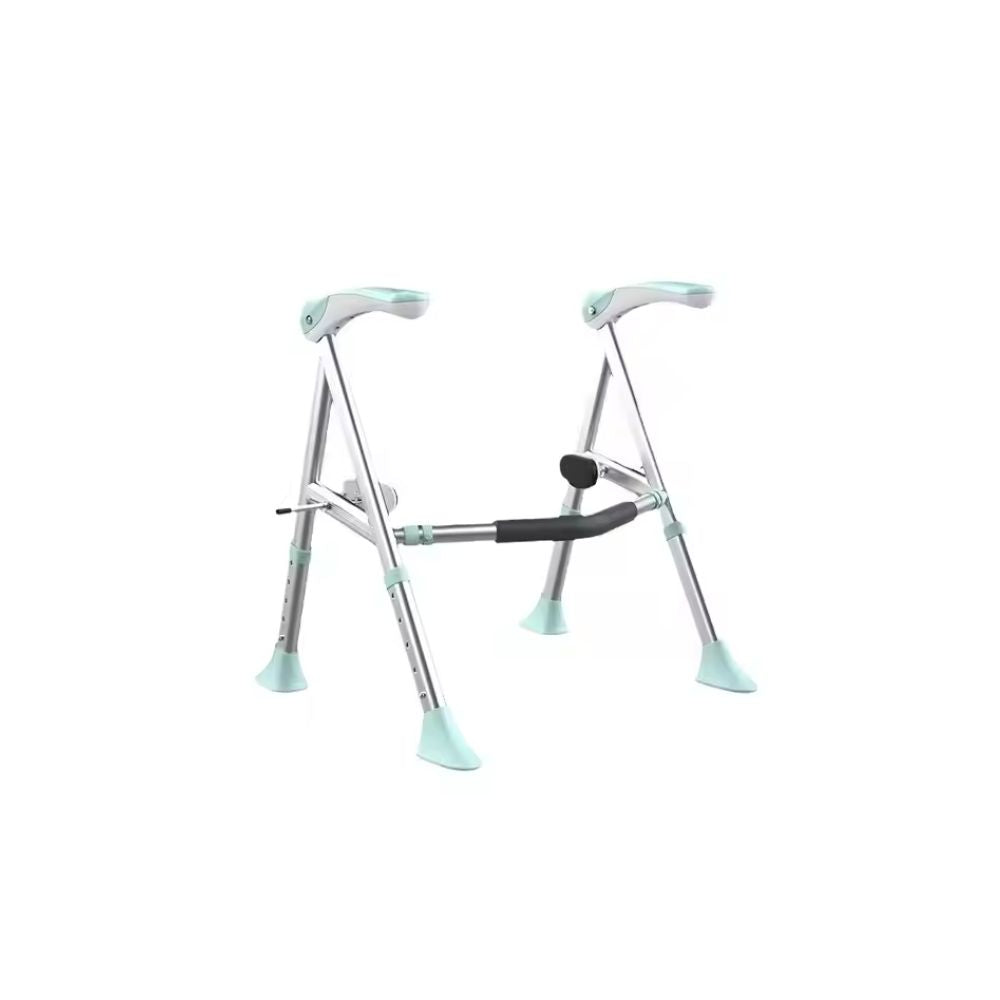
• Grab rails
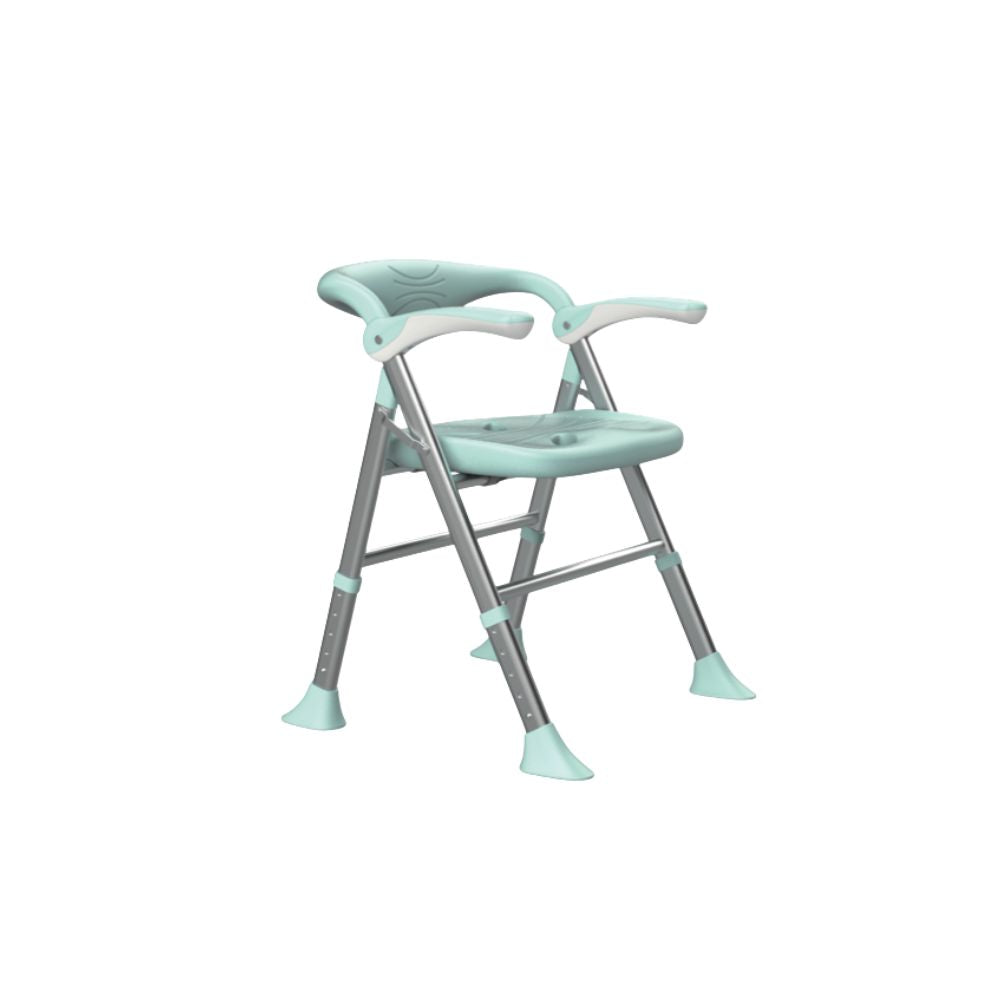
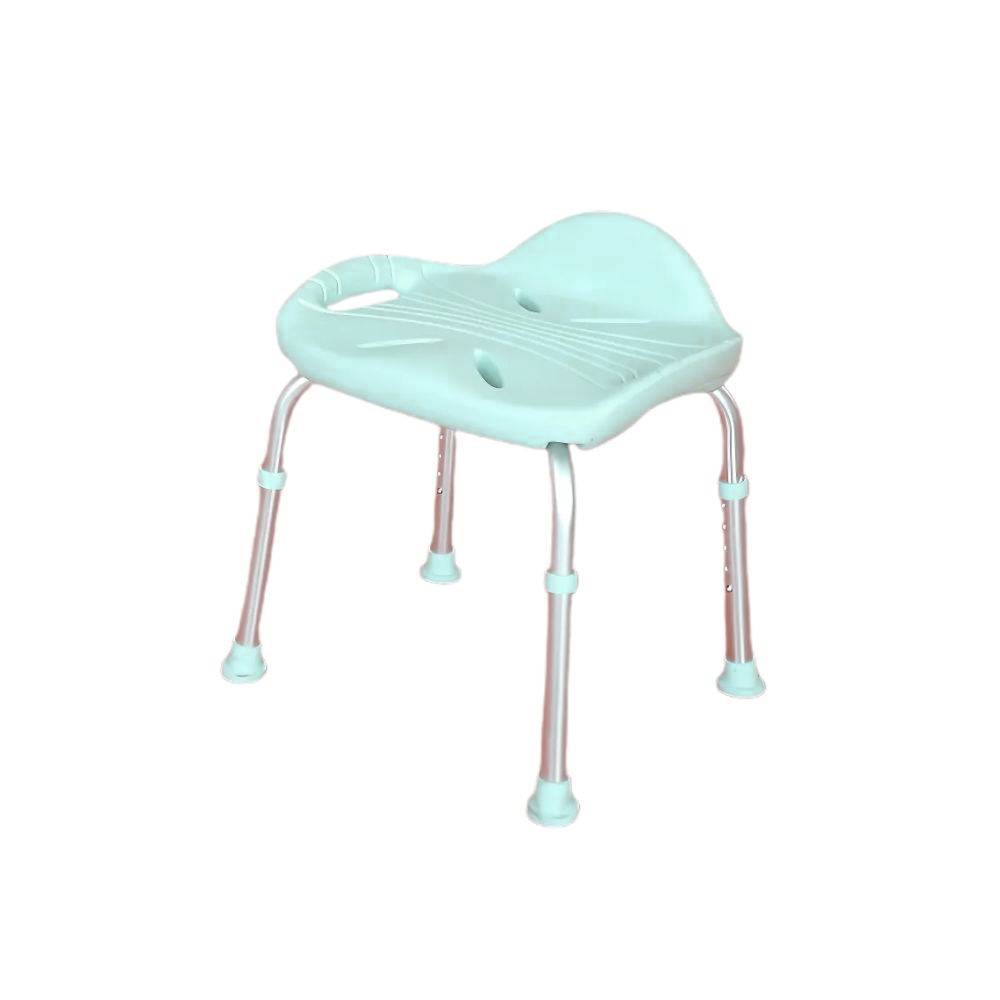
• Shower seats
• Toilet backrests
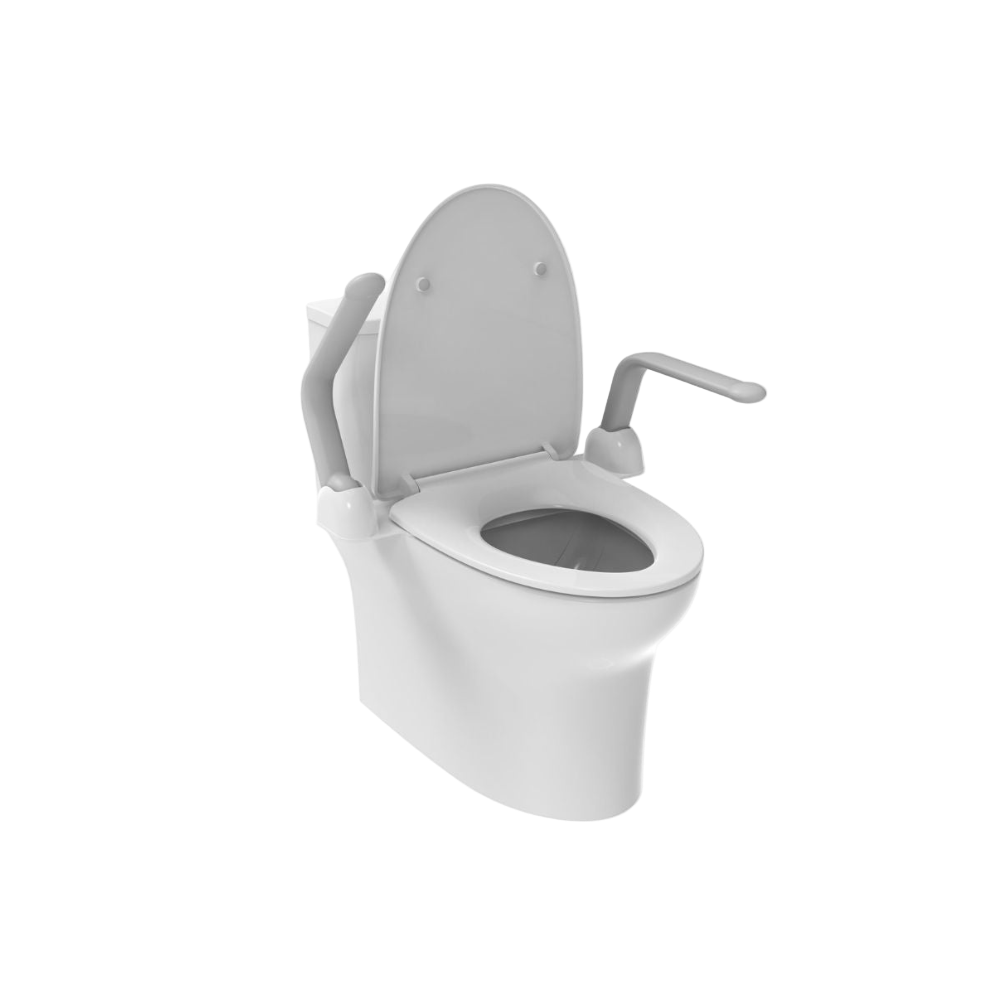
• Accessible toilets
• Tapware
• Basins
• Bathroom accessories
Our AS1428.1 compliant range is designed for ambulant and wheelchair users in public sanitary spaces, with products independently tested and approved to relevant AS1428.1 requirements.
Explore the full range:
AS1428.1 Compliant Bathrooms – Avail Design
Home and Public Bathroom Standards
Choosing the right products is only one part of designing an accessible bathroom. Product positioning, dimensions and the requirements for public and private bathrooms should also be considered during the planning stage.
For more information, visit our Home and Public Standards guide:
Home and Public Standards – Avail Design
Designing Accessible Bathrooms With Confidence
Understanding AS1428.1 luminance contrast requirements, LRV and colour selection can help architects, designers, builders and specifiers make informed decisions when planning accessible bathrooms.
From premium accommodation such as Lansons Place Hotel to high-traffic public environments such as Sydney Airport, accessible bathroom products can be integrated into contemporary spaces without compromising style.
At Avail Design, we provide practical and stylish products designed to support safety, dignity and independence across accessible bathroom environments.
Explore our resources: