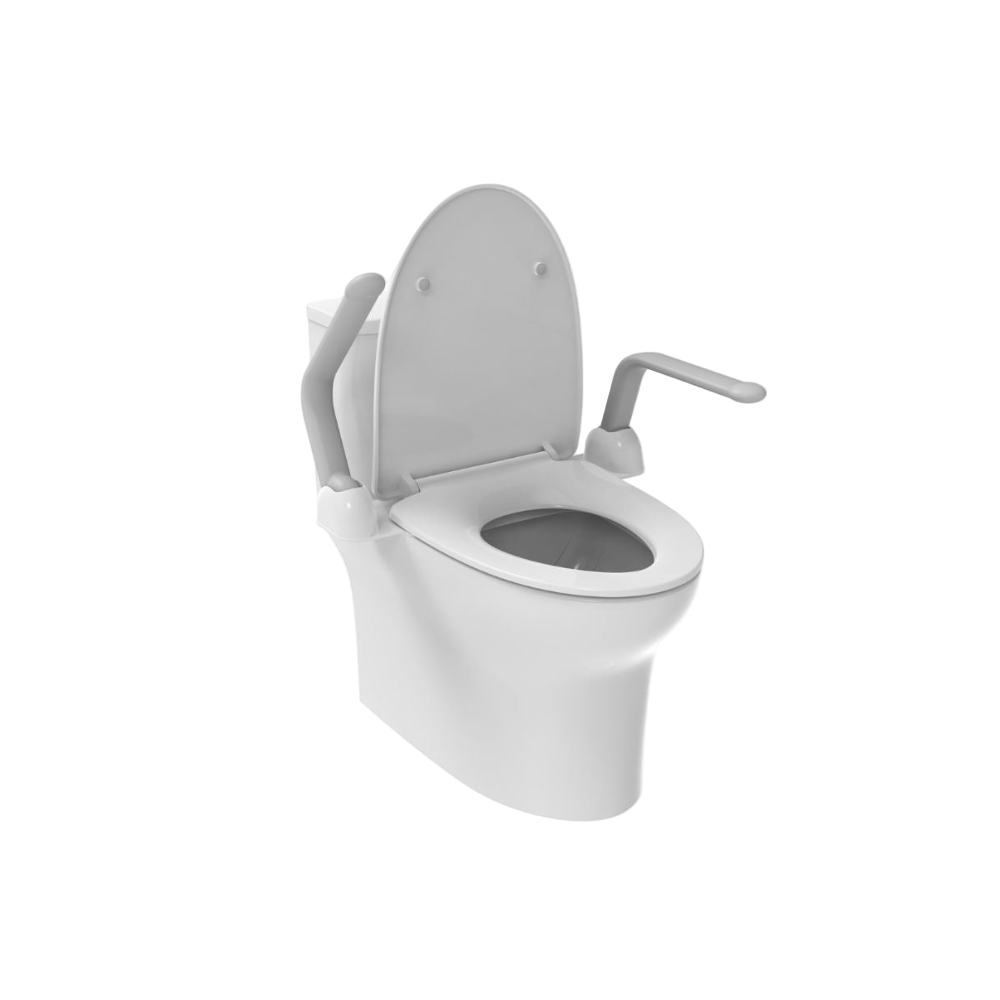
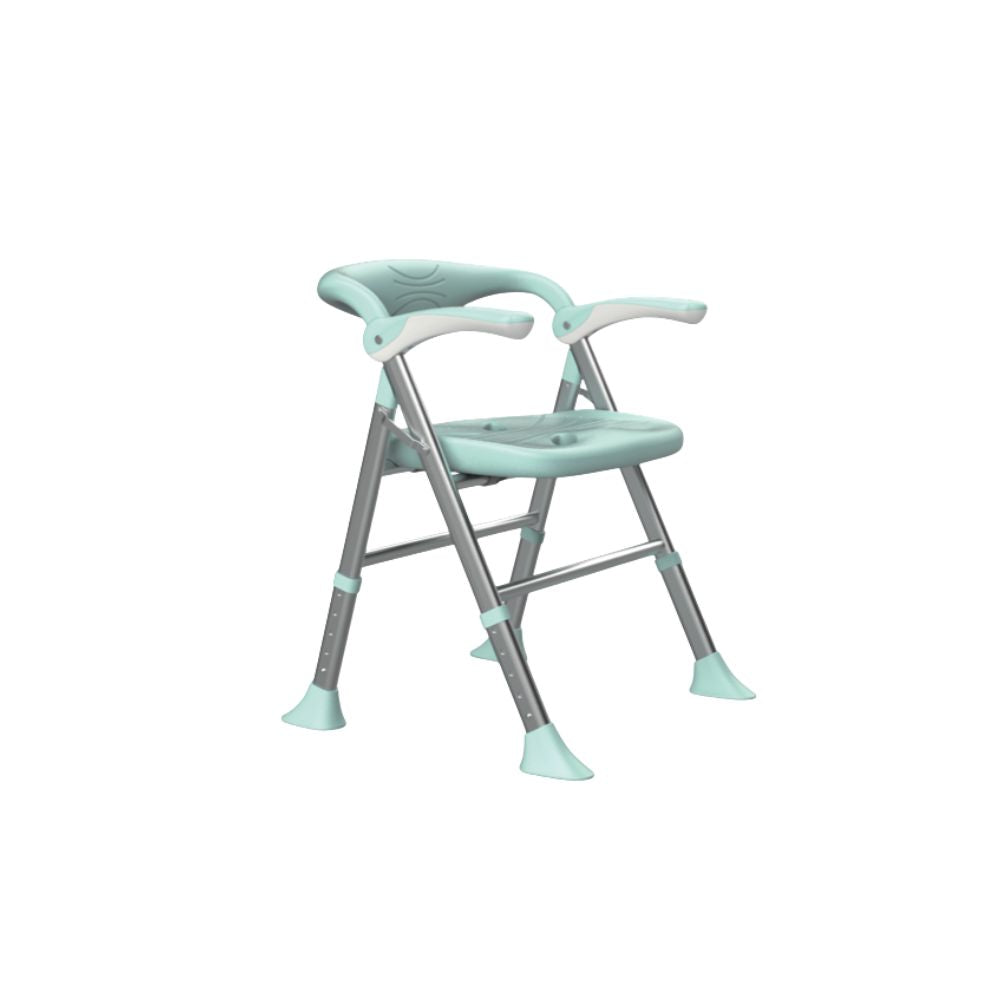
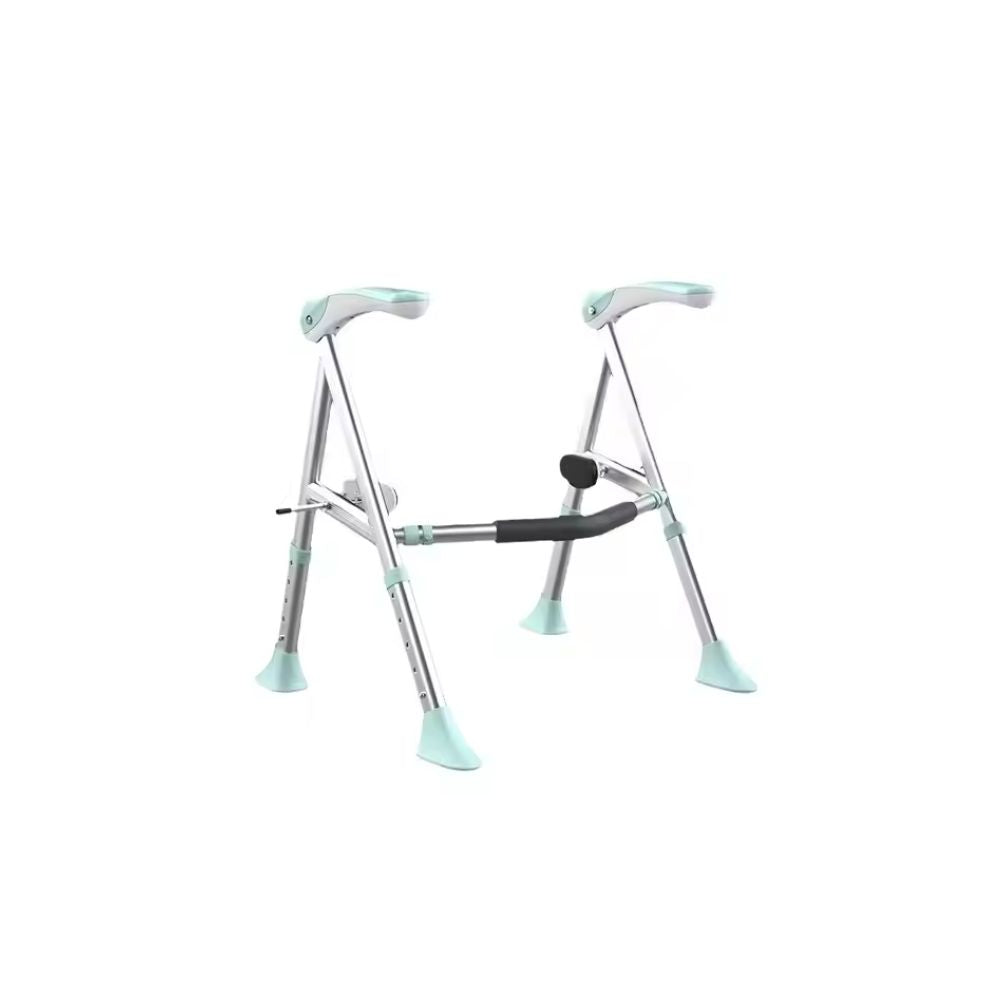
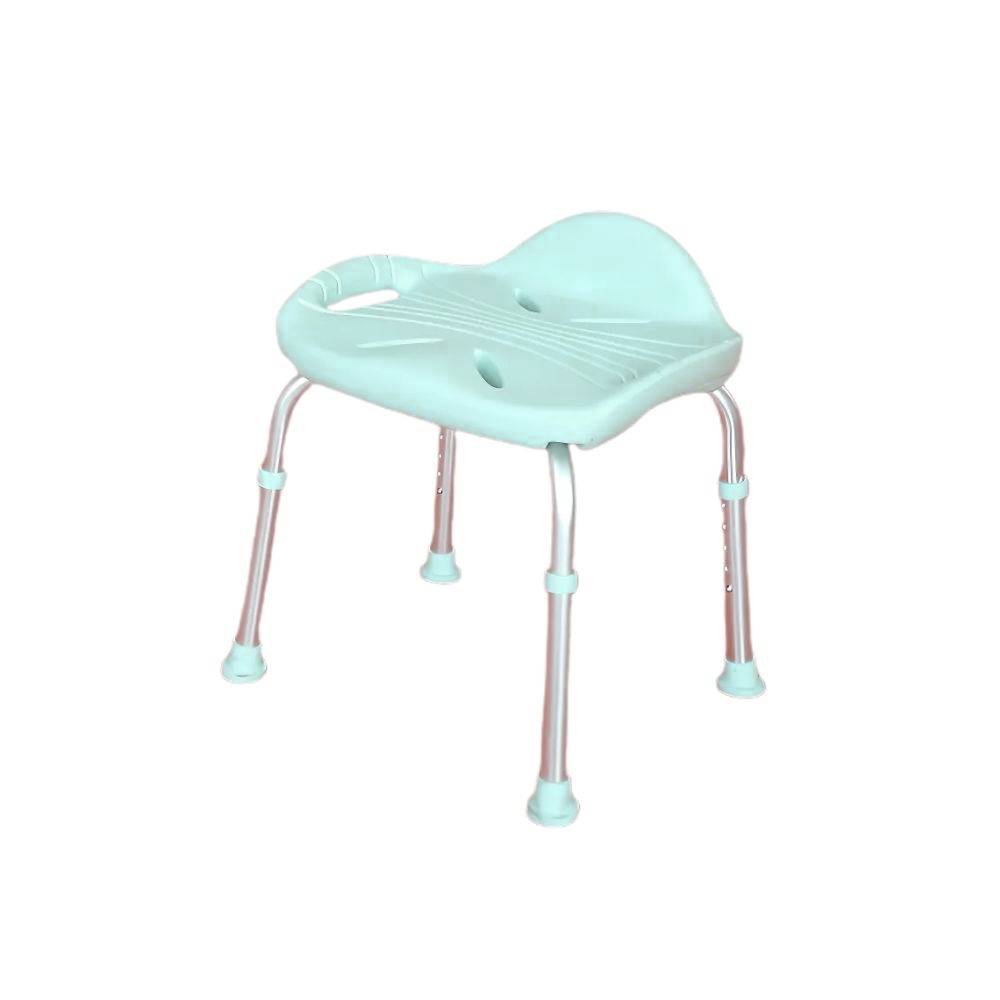


The NDIS can fund a shower chair or seat as assistive technology when it is reasonable and necessary for your disability and sits within your plan budget. Most are low-cost, low-risk items, so a quote is often not required, but an occupational therapist recommendation strengthens the claim. Fixed wall-mounted seats may need extra evidence.
Most funding problems with shower seating are not about eligibility. They are about paperwork: the wrong budget line, an OT report that does not match the quote, or an invoice that a plan manager cannot process. Each one is avoidable once you know how the system treats these items.
This guide walks through how funding works, what evidence to gather, how your plan management type changes the buying process, and where claims stall. It does not cover seat features, weight ratings or dimensions. Those are covered in our product guides, which are named where relevant below.
Key takeaways
- Shower chairs and seats are assistive technology (AT). Most sit in the low-cost, low-risk category, but you must confirm the current cost thresholds on ndis.gov.au before you buy.
- An OT recommendation is not always mandatory for low-cost items, but it is the strongest evidence that the seat is reasonable and necessary, and it protects you if the purchase is questioned.
- A fixed wall-mounted seat can drift into home modification territory if it needs structural work, which changes the evidence and quoting you need.
- Your plan management type (self-managed, plan-managed or NDIA-managed) decides which suppliers you can use and how you pay.
- A compliant invoice names the participant, the supplier, the exact item, the price and the GST treatment.
- Most stalled claims come from a mismatch between the OT specification, the quote and the invoice.
Summary Table
| Question | Short answer | What to prepare |
|---|---|---|
| Is a shower seat NDIS-fundable? | Yes, as AT, if reasonable and necessary | Link to your disability and bathroom safety goals |
| Is a quote needed? | Depends on the cost tier and plan | Check current thresholds on ndis.gov.au |
| Is an OT report needed? | Strongly recommended, more important for fixed or higher-risk items | Written recommendation with specifications |
| Can a fixed seat be a home modification? | Yes, if structural work is involved | Confirm with your planner or support coordinator |
| Who can I buy from? | Depends on your plan management type | Check supplier registration if NDIA-managed |
| What do I need to claim? | A compliant, itemised invoice | Participant name, item, price, GST, supplier details |
How does the NDIS treat shower chairs and seats?
The NDIS treats shower chairs and seats as assistive technology. They are funded when they meet the NDIS funding criteria: related to your disability, value for money, effective and beneficial, and reasonable and necessary. Most are classed as low-cost, low-risk AT, which has a simpler pathway than higher-cost equipment.
The funding criteria come from the NDIS Act, and the NDIA applies them to every support. A shower seat is straightforward to justify when the participant has trouble standing, balancing or tolerating fatigue during showering. The justification should be about function and safety, not convenience.
Two practical points matter here.
First, the budget line. Depending on your plan, low-cost AT can sit in a Core budget or a Capital AT budget. Do not assume. Check your plan documents or the participant portal, and ask your planner or support coordinator if the category is unclear. Buying from the wrong line is a common reason for a rejected claim.
Second, the NDIS does not fund items just because they appear in a catalogue. Your plan needs to include funding that covers the item, or you need to request a plan change or review. If your plan has no AT funding at all, the OT recommendation becomes the main evidence in that request.
The NDIA also publishes guidance on what it will and will not fund, and that guidance is updated from time to time. Read the current AT pages on ndis.gov.au before you spend money.
Low-cost vs mid-cost AT: when do you need a quote or written advice?
The NDIS groups AT by cost and risk. Low-cost items usually need less paperwork. Mid-cost items typically need written advice from a suitably qualified professional and a quote. The thresholds are set by the NDIA and can change, so confirm the current dollar figures on ndis.gov.au rather than relying on this or any third-party page.
I have deliberately not printed the dollar thresholds here. They are reviewed by the NDIA, and an out-of-date figure can send a participant down the wrong pathway. The NDIS assistive technology pages state the current tiers. Look for the low-cost, mid-cost and high-cost definitions, and note which tier your seat falls into.
In practice, the logic works like this:
- Low-cost, low-risk AT. A basic padded shower chair or stool usually lands here. Written advice from an OT is not always formally required, but it is still sensible, especially if the participant has complex needs.
- Mid-cost AT. Items that cost more, or carry more risk, generally need written AT advice and a quote before purchase. A heavy-duty, adjustable or specialised seating system can reach this tier.
- Higher-cost or complex AT. These follow a more detailed process, often with trials and an AT assessment. A standard shower seat rarely reaches this level.
Cost is not the only factor. Risk matters too. A participant with poor trunk control or a high falls risk may need written advice even for a low-cost item, because the wrong seat creates a safety problem.
When does a wall-mounted seat become a home modification?
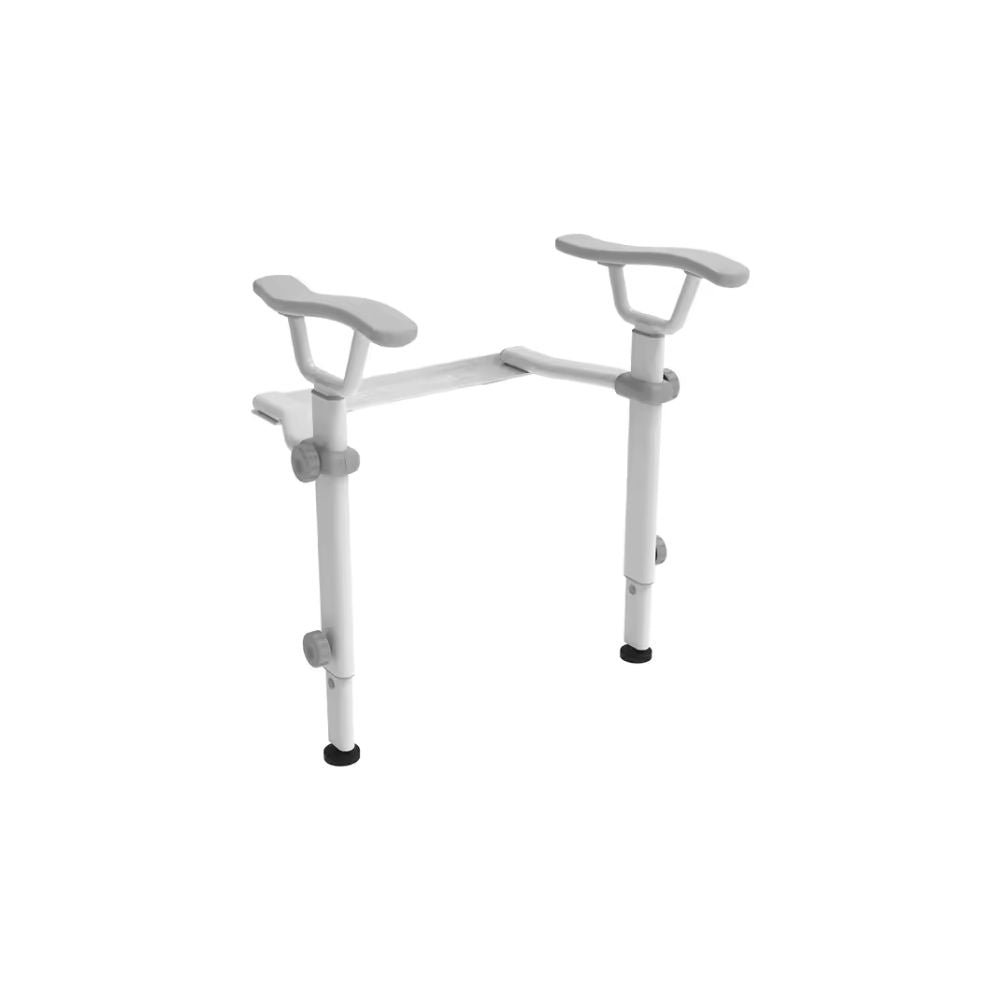
A fold-down or fixed wall-mounted seat is attached to the building. If fitting it only means screwing into suitable existing backing, many people treat it as AT with installation. If it needs the wall opened up, reinforced or re-tiled, it starts to look like a home modification.
This matters because home modifications follow a different pathway. The NDIS separates simple modifications from complex ones, and both usually involve quotes, an OT assessment and sometimes a builder. The funding sits in a different budget, and the approval process can take longer.
The boundary is not always obvious, and decisions depend on your plan and the NDIA's current guidance. The safest approach is to describe the whole job to your planner or support coordinator before buying: the seat, the wall construction, any reinforcement, and the installer. Ask them in writing which pathway applies.
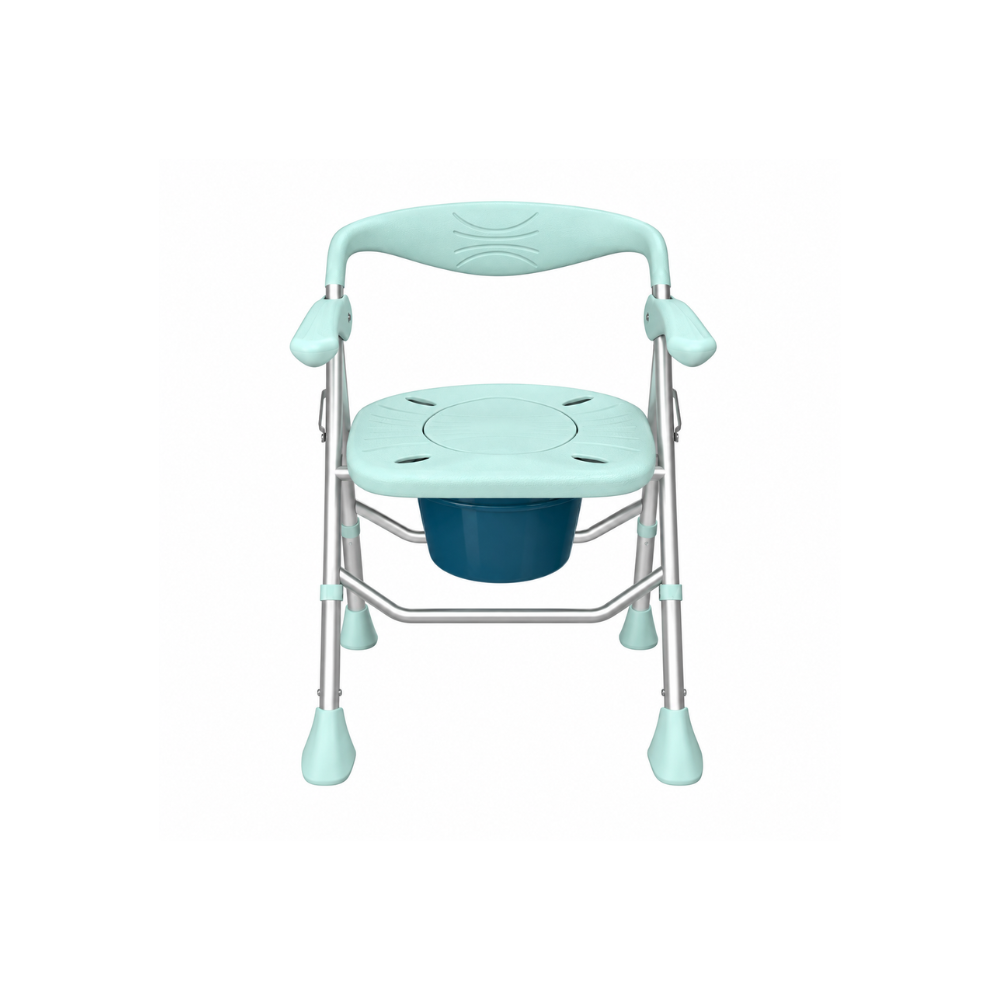
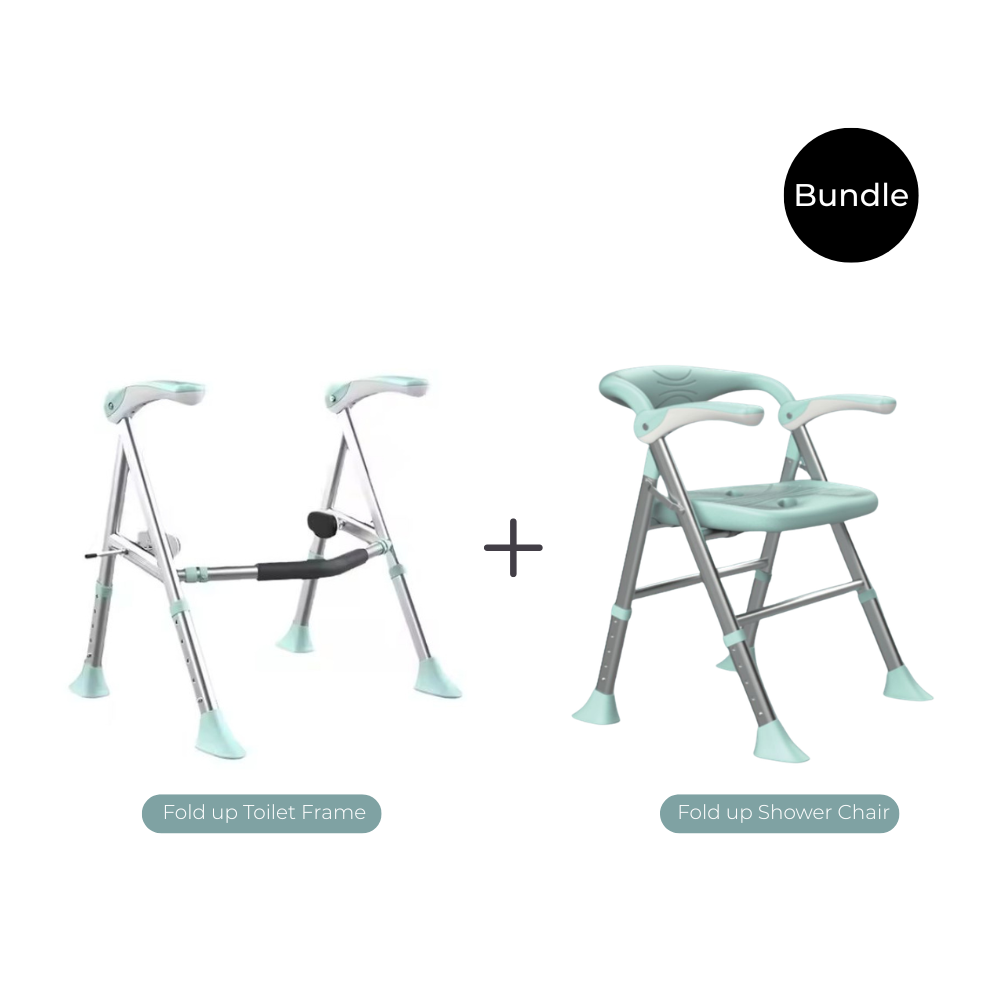
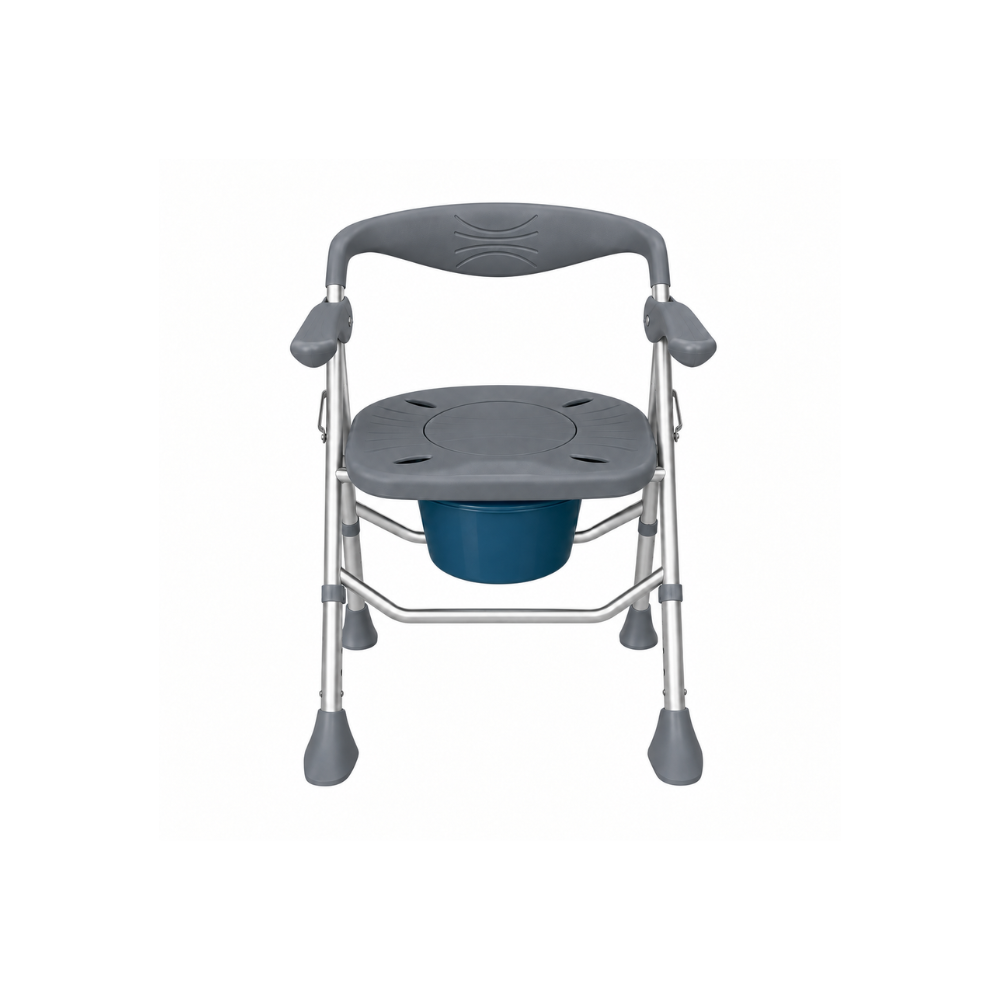
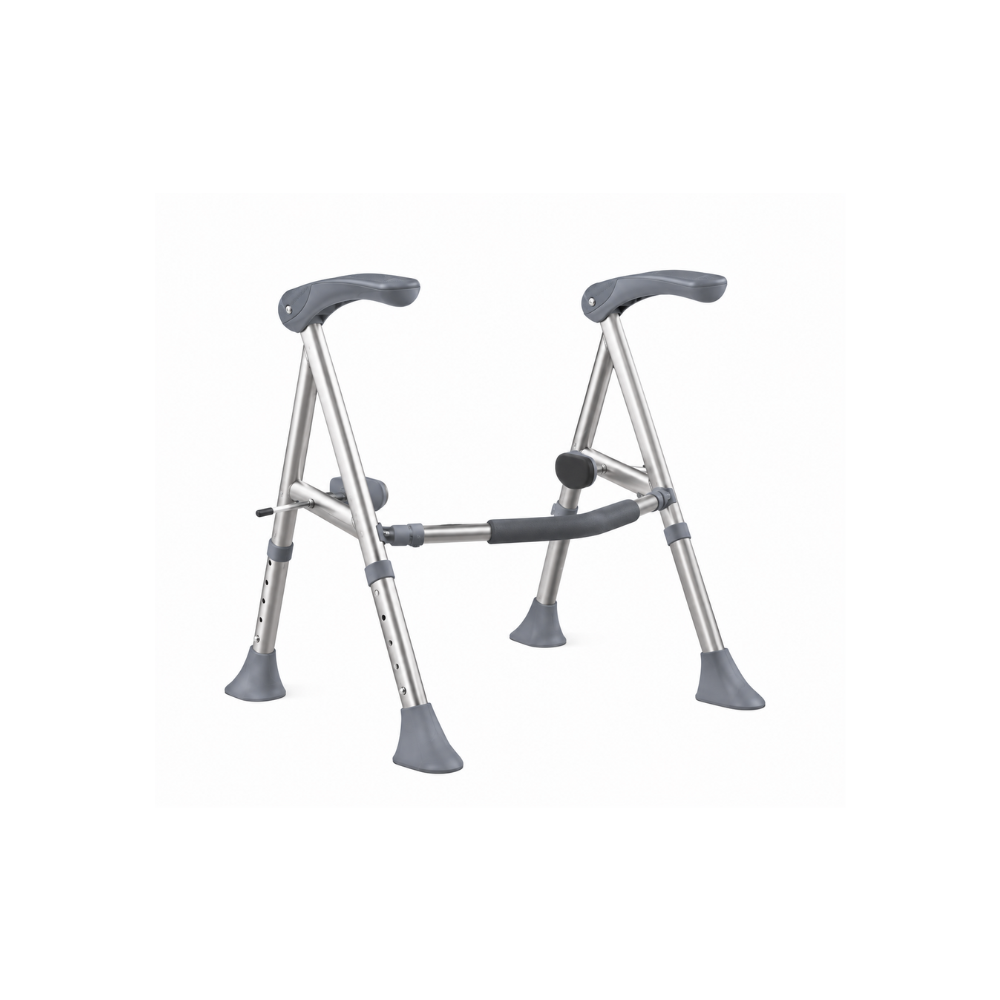
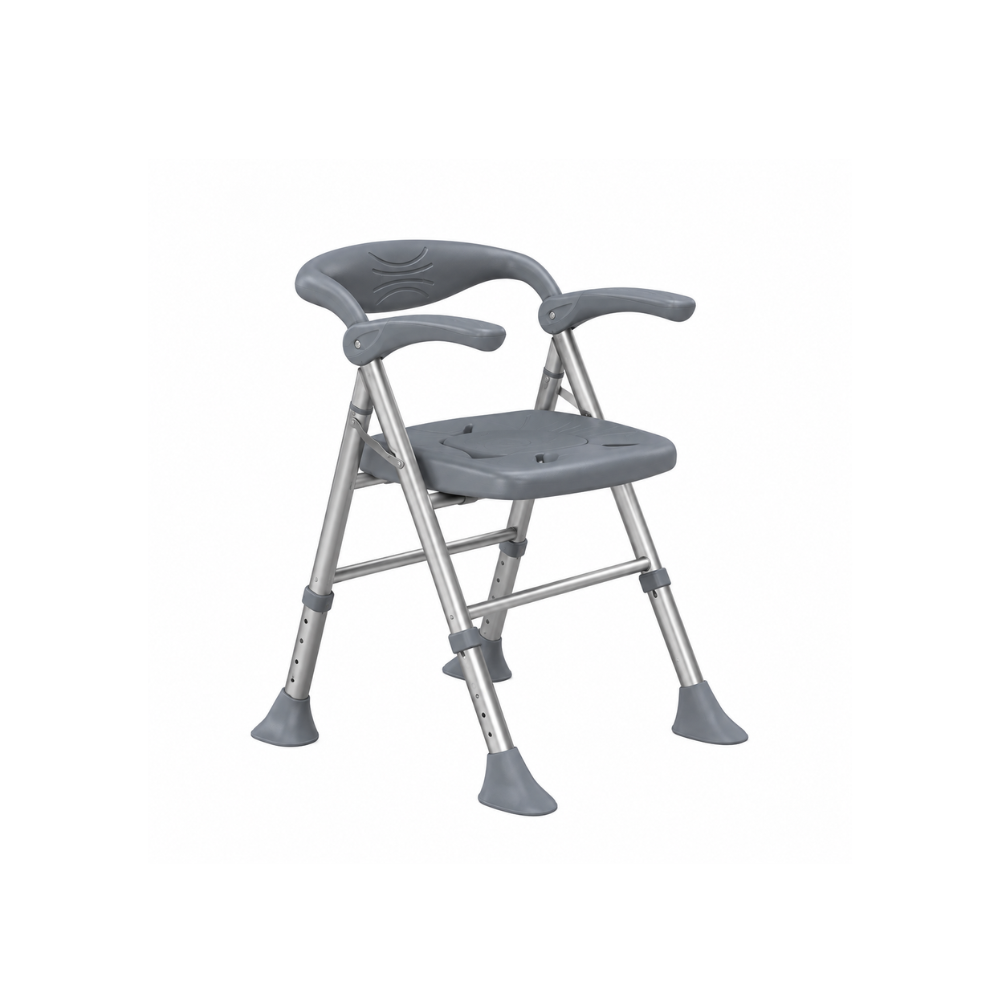
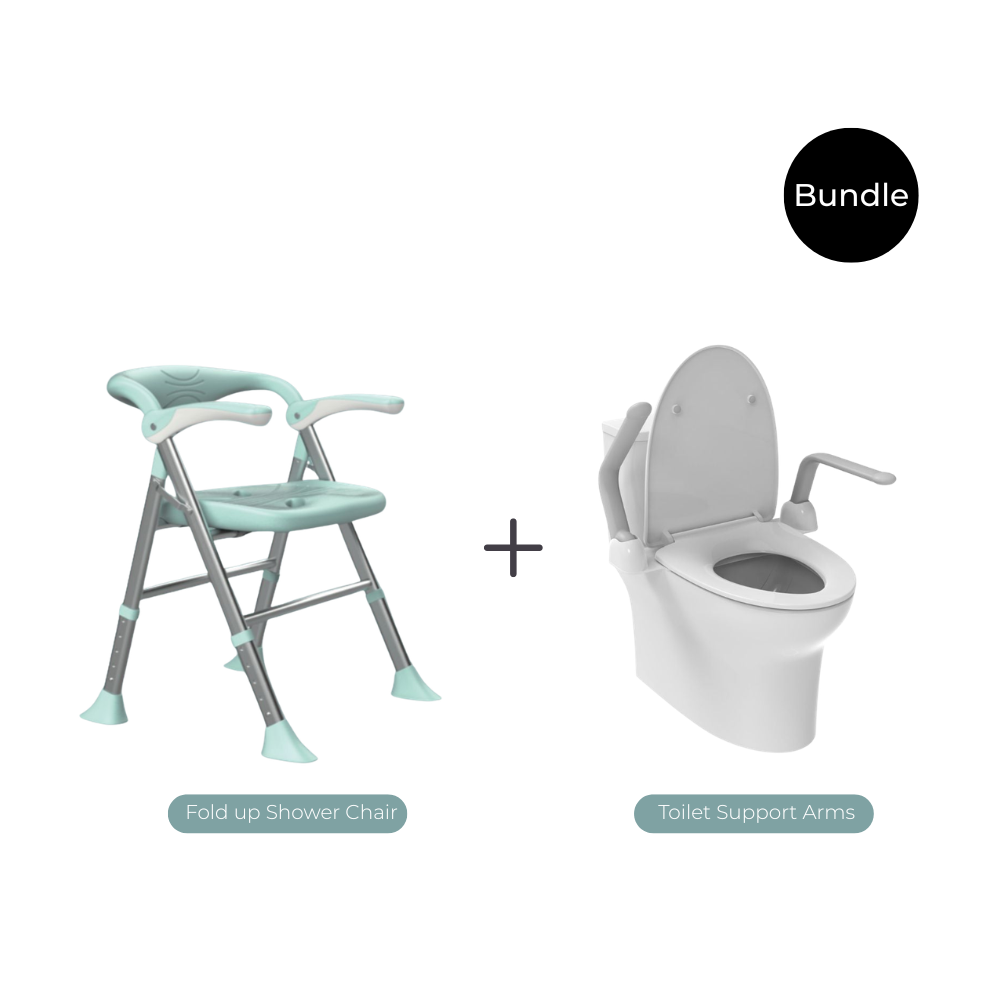
If you are weighing the two seat styles, our guides on wall-mounted vs freestanding shower seats and the fold-down shower seat buying guide cover the product differences. From a funding view, a freestanding or portable chair is the simplest option because nothing is fixed to the building. For limited floor space, a fold-up chair that stores away, such as the Avail Fold Up Shower Chair (S03C1G), gives you that same no-modification simplicity.
What evidence do you need? The role of an OT recommendation
An occupational therapist recommendation is the strongest evidence for a shower seat. It links the seat to your functional needs and safety risks. A useful OT report names the seat type, load rating, mounting height or seat height, and whether a backrest, arms or padding are needed.
The NDIS does not accept a recommendation that simply says "needs shower chair". That tells a planner nothing, and it gives a supplier nothing to match. A strong recommendation reads like a short specification.
Here is what it should cover:
- Functional reason. Why the participant cannot shower safely standing: balance, fatigue, pain, transfers, or a fall history.
- Seat type. Freestanding chair, fold-up chair, stool, wall-mounted seat, or a shower commode if toileting is also a need.
- Load rating. The minimum safe working load the seat must meet, with a margin as the OT sees fit.
- Height. Seat height for a freestanding chair, or mounting height for a wall-mounted seat, set for transfers and the participant's body.
- Support features. Backrest, armrests, padding, tilt, or a particular seat shape.
- Environment. Shower recess size, hob or step, floor surface, and wall construction if the seat is fixed.
- Trial or fit notes. Whether the participant has tried the item, and any follow-up.
Notice that the specification describes what the seat must do. It does not need to name one brand. That detail matters later, and I return to it in the Original Insight section.
If you are unsure whether you need a shower chair or a shower commode, read our Shower Commode vs Shower Chair guide with your OT. For product options aimed at older users, see our Best Shower Chairs for Elderly Users guide. The Shower Chair Weight Capacity Guide explains how to read load ratings so you can check a quote against the OT's number.
If you do not have an OT, ask your support coordinator to help source one. Funding for an AT assessment may be available under capacity building supports. Check your plan.
How does your plan management type change the way you buy?
Your plan management type decides who you can buy from and how you pay. Self-managed participants can generally choose any supplier. Plan-managed participants can use registered or unregistered suppliers, with price limits applying. NDIA-managed participants must use NDIS-registered providers.
This is the part of the process people get wrong most often, so it is worth being precise.
| Plan management type | Supplier choice | How payment works | Main risk |
|---|---|---|---|
| Self-managed | Any supplier, registered or not | You pay, then claim or pay from your funds, and keep records | Poor record keeping |
| Plan-managed | Registered or unregistered suppliers | Your plan manager pays the invoice from your budget | Invoice does not match the plan or price limits |
| NDIA-managed | Registered providers only | Provider claims directly from the NDIA | Using a supplier who is not registered |
The NDIS pricing arrangements and price limits apply to many supports, and some AT items are quoted rather than price-capped. Confirm how your item is treated before you buy. If you are NDIA-managed, check the supplier's registration status first, whichever business you buy from.
What should a compliant invoice show?
A compliant invoice lets your plan manager, or the NDIA, match the purchase to your plan without chasing anyone. It should clearly show:
- The supplier's business name and ABN
- The invoice date and a unique invoice number
- The participant's name (and NDIS number, where the plan manager asks for it)
- A clear description of the item, including product name and model or code
- Quantity and unit price
- The GST treatment, shown clearly (GST treatment depends on the item, so do not assume)
- The total amount and payment details
- Delivery or supply date
If installation is included, ask for it as a separate line. A single lump sum for "shower seat and install" can cause confusion if the plan manager needs to allocate the two to different budget lines.
An illustrative scenario
Consider a plan-managed participant who has difficulty standing for the length of a shower. Her OT writes a recommendation for a freestanding padded shower chair with a backrest and a specified minimum load rating. She sends the recommendation to a supplier and asks for a quote that quotes the exact model.
The supplier sends an itemised quote with the product code, price and GST treatment. She forwards the quote and the OT report to her plan manager for a pre-purchase check, then approves the order. The supplier issues a compliant invoice after delivery, and the plan manager pays it from her budget. No back and forth, because every document used the same specification.
This is a hypothetical example, but it shows the pattern. The documents line up, so the claim goes through.
Why do fixed seats need wall reinforcement and a qualified installer?
A fixed or fold-down seat carries the participant's full weight through the wall. It needs suitable backing behind the lining, and the work should be done by a qualified installer. Factor installation and any reinforcement into your funding request from the start, not after the seat arrives.
A tiled bathroom wall is rarely strong enough on its own. Plasterboard, fibre cement sheet and tile do not hold a load-bearing fixing. The seat needs solid timber, steel or purpose-installed reinforcement behind the wall lining, positioned where the fixings land. If the backing is missing, the options are to open the wall, add reinforcement and reinstate the lining, or choose a freestanding or fold-up chair instead.
This is also where funding can shift. Opening a wall and re-tiling is building work, and it may move the job into home modification territory, as discussed earlier. Ask for the installer to inspect the wall before the OT finalises the specification. The inspection tells you whether the seat can go where the OT wants it, and what the wall work will cost.
Three practical points for your funding request:
- Quote installation separately. Ask for the supply price and the installation price as two lines.
- Get the installer's confirmation in writing. A short note on wall construction and fixing method supports the quote.
- Check approvals if you rent or live in a strata property. A landlord or owners corporation may need to approve a fixed fitting before work starts.
When Avail's wall-mounted seats are discussed with customers, the seat design itself is simple: the seat is tilted so water drains off, with no slots, so there is nowhere for mould to grow. But the seat is only as safe as the wall behind it.
Grab rails are often funded alongside shower seats, and they also need solid fixing. Under AS 1428.1, grab rail mounting height is 800mm to 820mm above the finished floor. If your OT is specifying both, ask for a single bathroom assessment so the seat, rails and wall work are planned together and described consistently in one report.
Why do NDIS shower chair claims stall, and how do you avoid it?
Claims stall for ordinary reasons: the OT report is vague, the quote does not match it, the budget category is wrong, the supplier is not eligible, or the invoice is incomplete. Each has a simple fix, and most come down to checking documents against each other before you spend anything.
Here are the most common causes and the fix for each.
- Vague OT recommendation. Fix: ask the OT to specify seat type, load rating, height and support features.
- Quote does not match the specification. Fix: send the OT report to the supplier and ask them to confirm each point in the quote.
- Wrong budget category. Fix: check your plan, and ask your planner or support coordinator which line applies.
- Ineligible supplier. Fix: if you are NDIA-managed, confirm the supplier is registered before ordering.
- Buying before approval. Fix: if your plan manager or the NDIA needs to approve a quote, wait for that approval.
- Incomplete invoice. Fix: check the invoice against the list earlier in this guide before you send it on.
- Unquoted installation. Fix: get supply and installation priced as separate lines.
- Missing property approval. Fix: get landlord or strata consent in writing before a fixed seat is ordered.
- Cost tier misjudged. Fix: check the current thresholds on ndis.gov.au. If the item or the total job sits in a higher tier, collect the extra advice and quote first.
A simple habit prevents most of these: put the OT report, quote and invoice side by side and check that the item, specification and price line up.
Why a specification beats a brand name
My view, and it is a contrarian one: the most useful thing an OT can write is not a product recommendation but a performance specification with room to move. The reason is practical. A report that names one model can stall if that model goes out of stock, changes code or is discontinued. The quote then no longer matches the evidence, and you are back to the start.
A better report states the requirements that must be met (seat type, minimum load rating, height range, backrest, arms, padding, drainage) and then adds a line such as: "Equivalent products meeting these requirements are acceptable." That gives the participant and the supplier flexibility without weakening the evidence.
The same logic applies to drainage and hygiene. Shower seats live in a wet environment, so ask the OT to note any preference. Avail's seats have no slots and are tilted so water runs off, which removes the places where mould can build up. Whatever brand you choose, a seat that sheds water and wipes clean is easier to keep hygienic for the carer or the participant.
And do not treat a freestanding chair as a lesser option. Freestanding and portable chairs are the most popular seating Avail supplies, because they need no wall work, suit renters, and can move between bathrooms. For tight bathrooms, a fold-up chair that stores away is an alternative worth putting next to a wall-mounted seat in the OT's options. A good report compares both and explains the choice.
This is a position based on how the funding process works, not a statistic. If your OT works differently, follow their professional judgement.
Next steps: browse Avail Designs seating and share your OT specifications
If you have an OT recommendation, the quickest way forward is to match it to a product. Browse Avail Designs' shower seats, chairs and stools to see wall-mounted, fold-up and freestanding options side by side.
Then send your OT specifications to the Avail team. They can help match a product to the report and provide a quote or itemised invoice suited to your plan type. If you are NDIA-managed, confirm any supplier's registration status before ordering. If you are plan-managed or self-managed, ask for the format your plan manager prefers.
References
- NDIS, National Disability Insurance Scheme (assistive technology, home modifications and funding criteria)
- NDIS, Pricing arrangements and price limits
- NDIS Quality and Safeguards Commission, provider registration and information for participants
- Occupational Therapy Australia, finding an occupational therapist
- Standards Australia, AS 1428.1 Design for access and mobility


