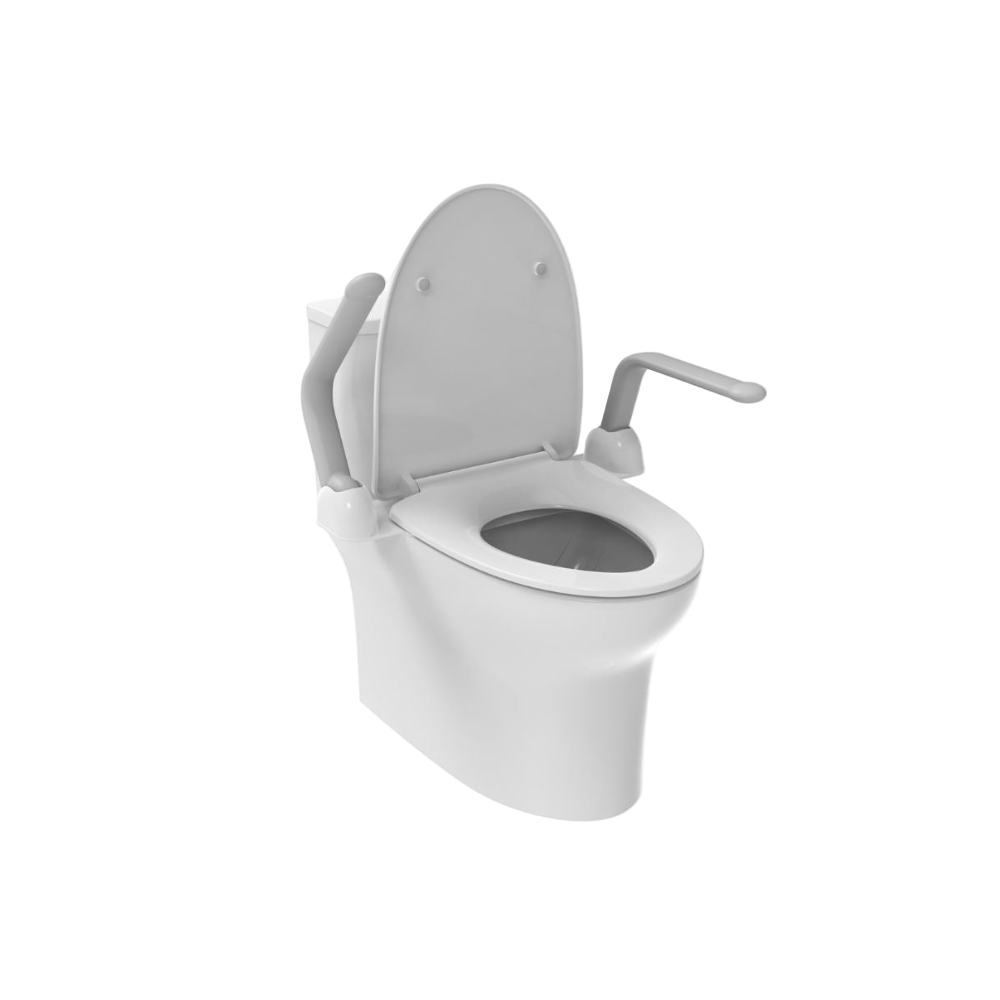
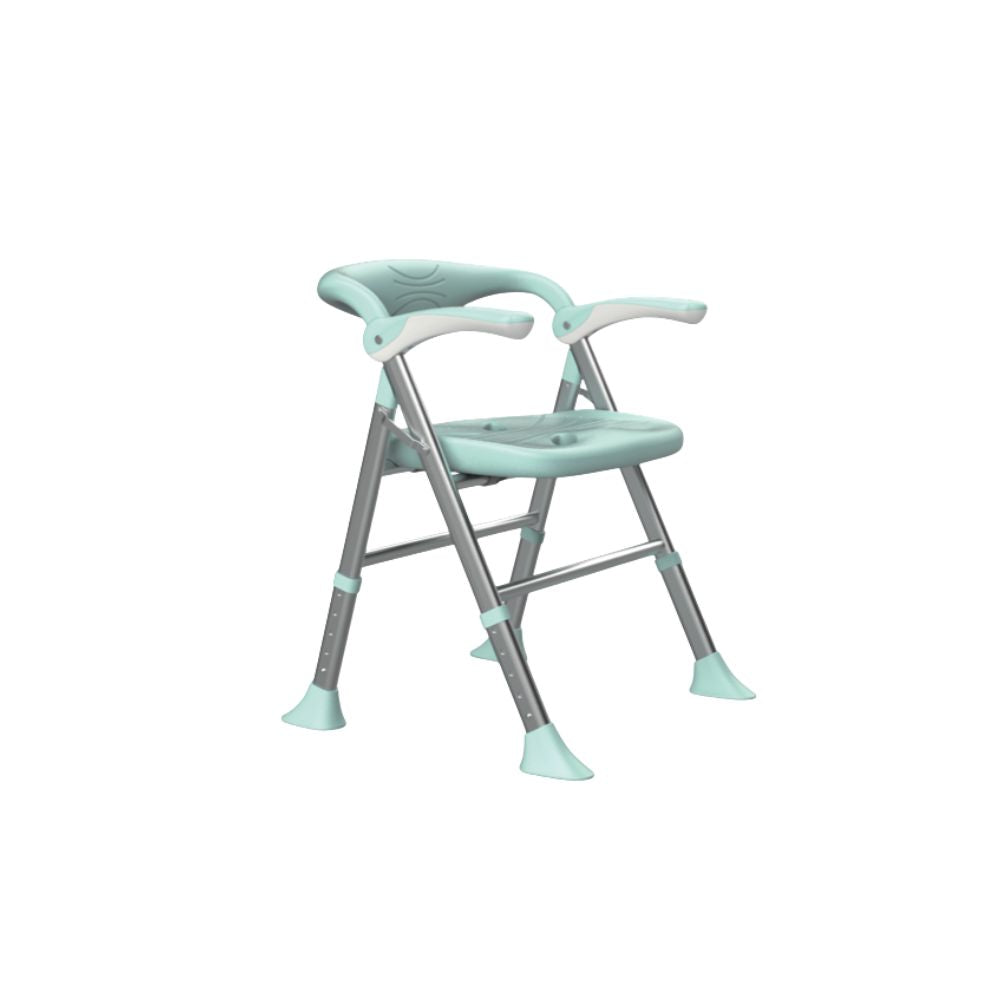
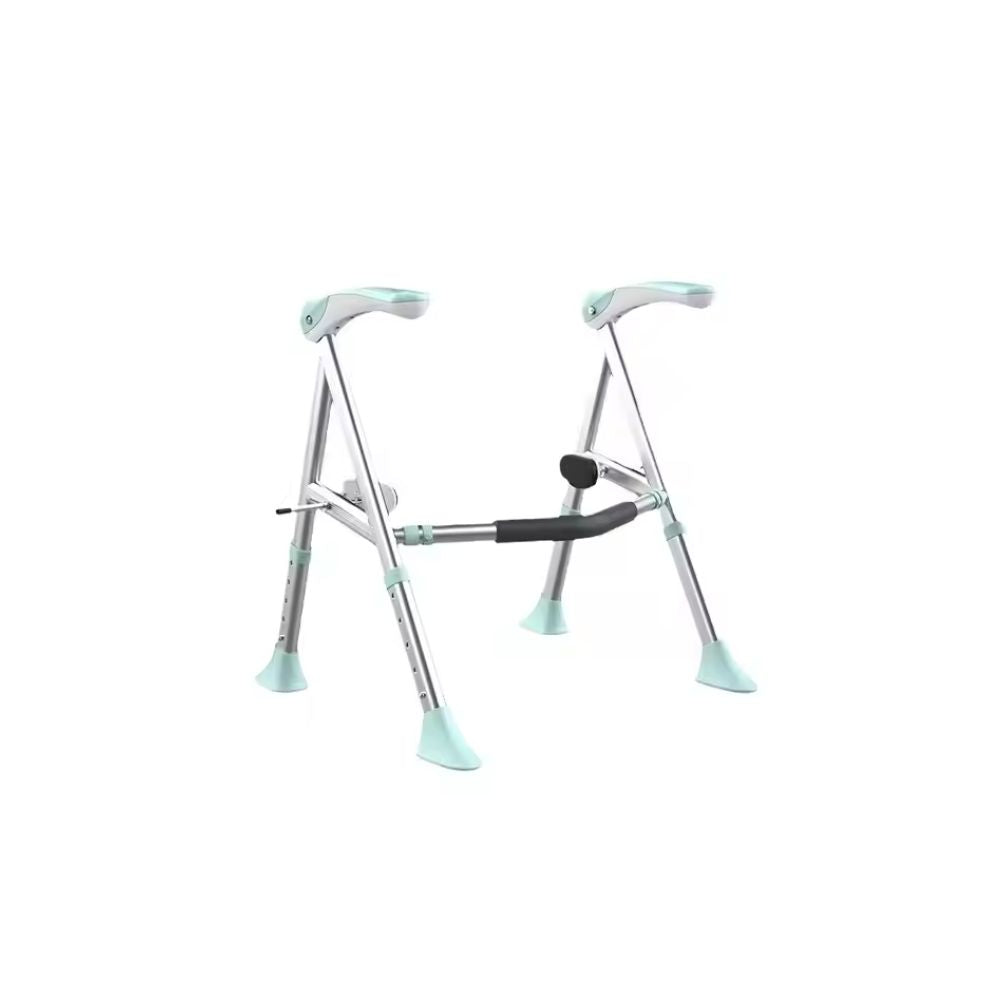
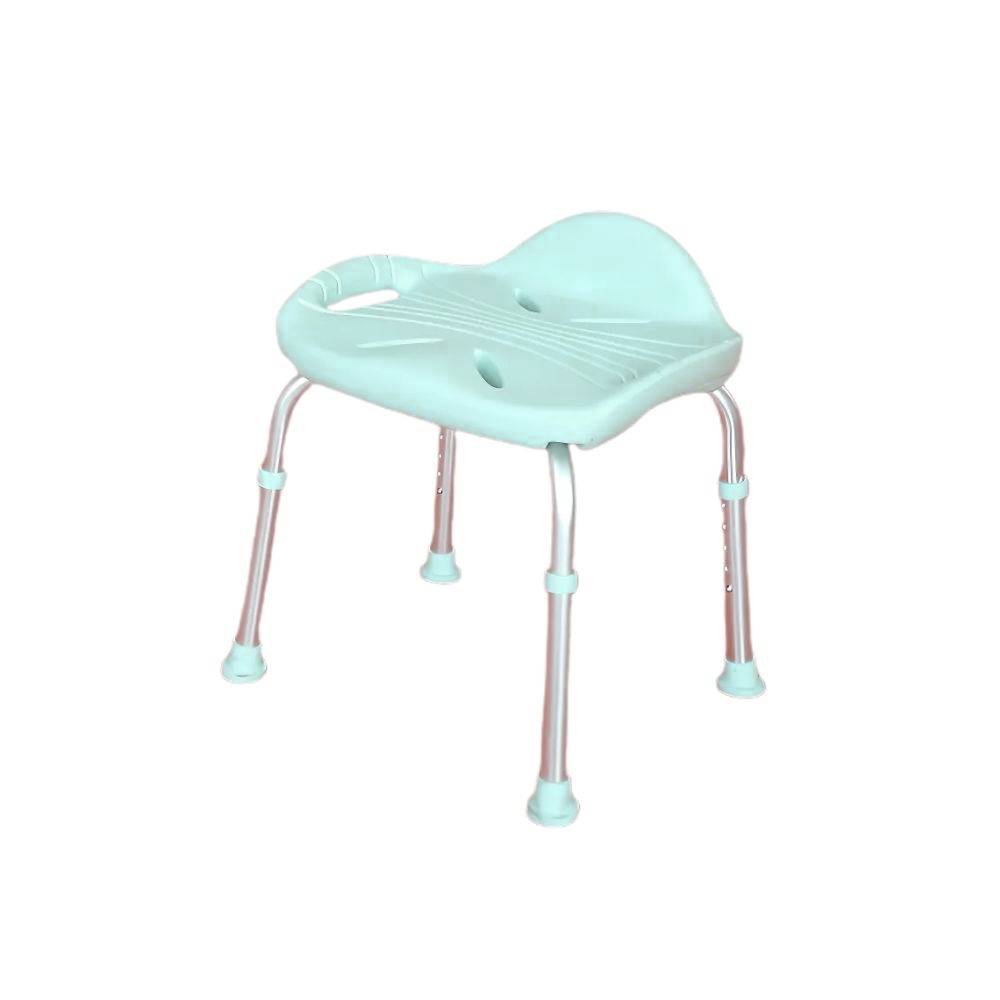
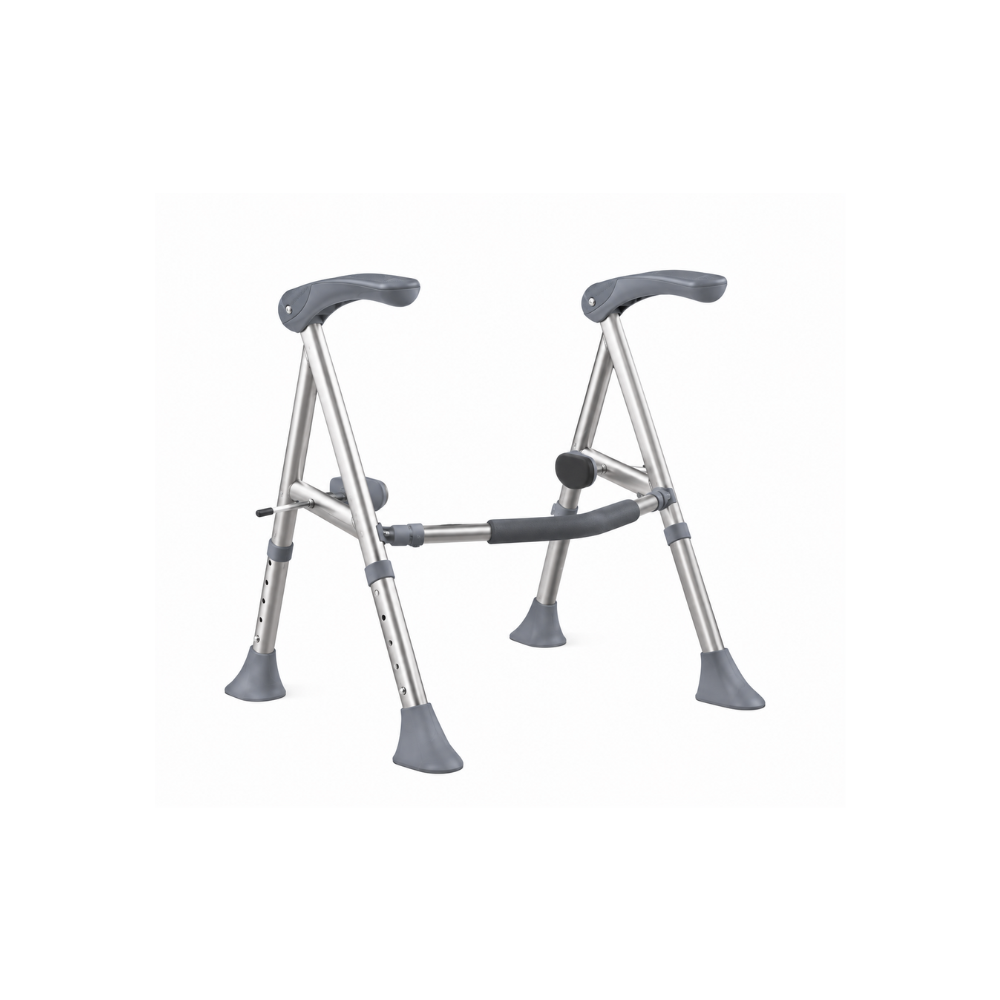
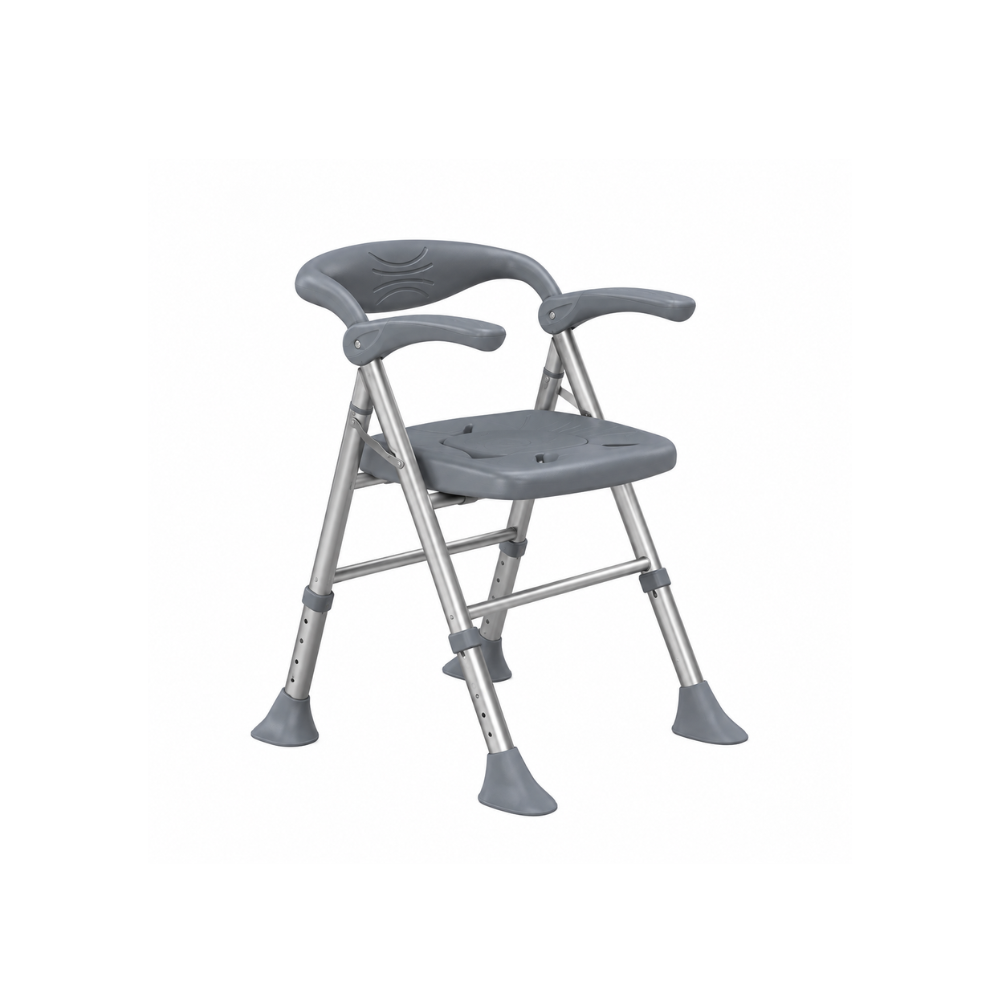
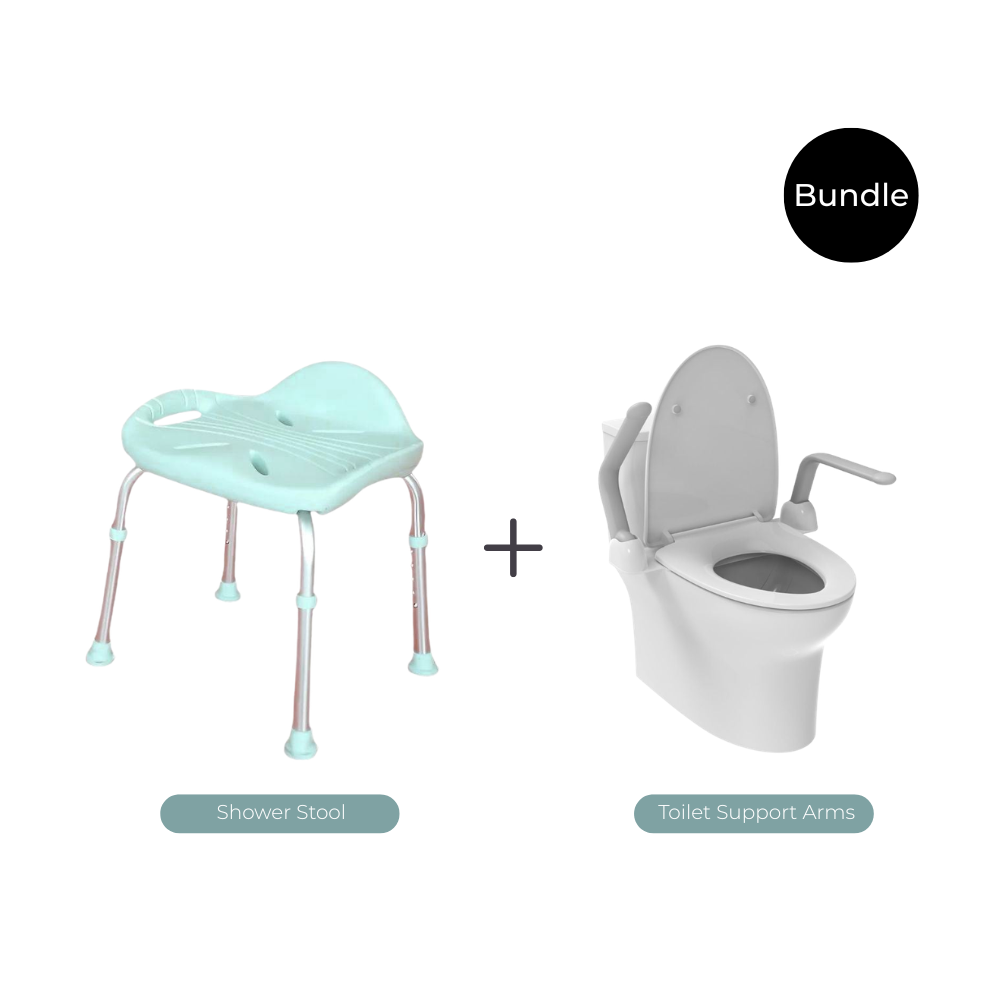
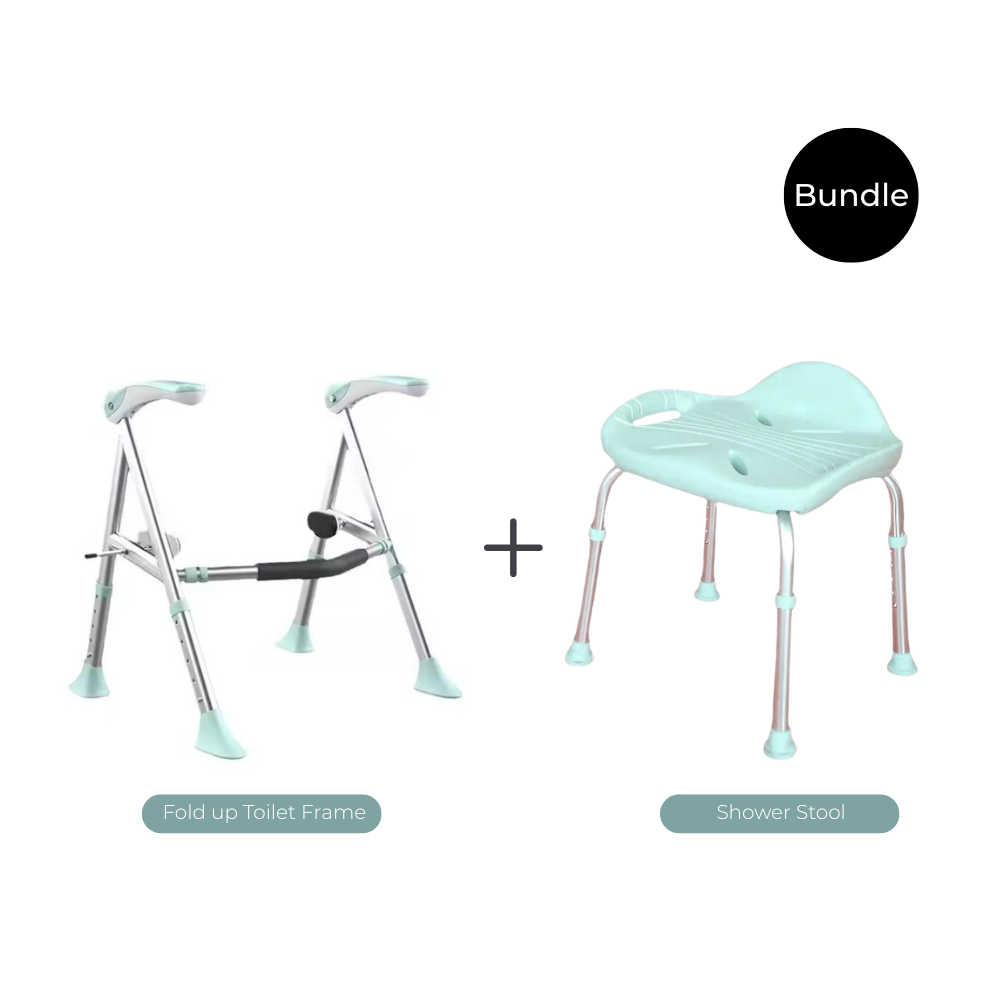


The best shower chair for an older person is the one that matches how they move, not the one with the most features. Choose a stool if they are steady but tire easily, a chair with a backrest if they need trunk support, and add armrests if they need help to sit and stand.
Most shower chair advice reads like a product roundup. That is not much help when you are standing in a hospital corridor or a hardware aisle after a near-fall, trying to work out what your mum or dad actually needs. The right seat depends on the person, not the price tag.
This guide walks through three common mobility profiles, the features that matter for each, and how to pair the seat with grab rails and a hand shower so your loved one can stay seated for the whole shower. It also covers the buying mistakes we see most often and finishes with a checklist you can take shopping.
Key takeaways
- Match the seat to the person's mobility profile first, then compare features. A stool, a backrest chair and an armed chair each suit a different level of support.
- Armrests matter most for people with weak legs, because they give something to push up from and lower down on.
- Non-slip rubber feet, a corrosion-resistant frame and a solid, tilted seat that drains water are the features that keep a chair safe and hygienic over years of use.
- A chair works best as part of a system: grab rails for transfers and a hand shower within easy reach so the user never needs to stand to wash.
- Check seat height, frame width and your shower recess before buying. These are the three most common causes of a chair that does not work in practice.
- For complex needs, ask an occupational therapist (OT) to assess the person and the bathroom before you buy.
Summary Table: Which Seat Suits Which Mobility Profile
| Mobility profile | Typical signs | Matching seat type | Useful extras |
|---|---|---|---|
| Steady but tires easily | Walks unaided, gets puffed or light-headed in a warm shower | Shower stool | Non-slip rubber feet, hand shower, a grab rail at the entry |
| Needs support to sit and stand | Pushes up from furniture, legs feel weak, hesitates on wet floors | Chair with backrest and armrests | Grab rails beside the seat, hand shower on a slide rail |
| Relies on a carer | Needs help with transfers or washing, may lean or tire quickly | Chair with backrest, usually with armrests | Hand shower the carer can reach, room for the carer to stand beside the chair |
| Limited floor space | Compact recess, shared bathroom | Fold-up chair or wall-mounted seat | Storage-friendly design, rails positioned for transfers |
Why Shower Seating Matters for Older Users
A shower is one of the riskiest daily tasks for an older person. Wet tiles, hot water, soap and a small space combine with tiring legs and slower balance reactions. Sitting removes most of that risk by taking the body weight off the legs and the feet off the slippery floor.
The bigger picture is clear. According to the Australian Institute of Health and Welfare (AIHW, Falls), falls are the leading cause of injury hospitalisation among older Australians. Bathrooms are not the only place people fall, but they combine hard surfaces, water and awkward movements, which makes them a sensible place to start with bathroom safety for elderly family members.
Fatigue, balance and heat
Three things tend to catch people out. The first is fatigue. A shower involves standing, reaching, bending and balancing on one leg to wash a foot. For someone who tires easily, the last few minutes are when mistakes happen.
The second is balance. Reaction time slows with age, and a small slip that a younger person would correct can become a fall. The third is heat. Warm water and steam can make some people feel dizzy or faint, particularly if they take blood pressure medication or have just got out of bed. If you feel light-headed while seated, you can ride it out. If you are standing, you may not get the chance.
The wet tile problem
Standing on wet tiles is the part most families underestimate. Soap residue makes glazed tiles slicker than they look. A chair or stool with non-slip rubber feet gives the user a stable base, and it means the only thing moving on the wet floor is water, not the person.
A seat also changes how long someone is willing to shower. People who feel unsteady often rush, skip washing properly or avoid showering altogether. A secure seat lets them take their time, which is good for skin health, dignity and independence.
Three Mobility Profiles and the Matching Seat Type
The simplest way to choose is to sort the user into one of three profiles. Steady but tires easily suits a stool. Needs support to sit and stand suits a chair with a backrest and armrests. Relies on a carer suits a chair with a backrest, usually with armrests as well.
These profiles are a starting point, not a diagnosis. People move between them, especially after illness or surgery. If you are unsure, choose the more supportive option, because a person can always use less support than a chair offers, but cannot use support it does not have.
Profile 1: Steady but tires easily (shower stool)
This person walks unaided and manages the bathroom well, but a full shower leaves them tired or a little wobbly. They want a safe place to sit while washing legs and feet, or to rest for a few minutes. A shower stool is compact, easy to move and does the job.
Look for a stable frame, a non-slip shower stool base with rubber feet, and a seat that is comfortable for the full length of a shower. A stool suits people who can lower themselves down and push themselves up without help. If they currently use furniture or the wall to stand, step up to a chair with armrests.
Profile 2: Needs support to sit and stand (backrest and armrests)
This person can shower with a little help but struggles with the act of sitting down and getting up. Their legs may be weak, or their hips and knees stiff. For them, armrests are not a luxury. They are the push-off point that makes the whole shower possible.
A shower chair with backrest and arms lets the user lower themselves in control and stand up using their arms as well as their legs. The backrest adds security, because they can lean back and relax rather than hold themselves upright. This is the profile most often seen after a hospital stay.
Profile 3: Relies on a carer (backrest, usually with armrests)
Here a family member or support worker helps with transfers, washing or both. The chair needs to be stable under assisted movement and give the user something to hold, so they feel secure while the carer works. A backrest helps people who lean, slump or tire quickly.
The layout matters as much as the chair. The carer needs room to stand beside the seat, reach a hand shower and help without bending awkwardly. The same thinking applies to aged care shower seating in residential settings, where staff need clear access and the resident needs a stable, supportive seat.
A short scenario: stool or armed chair?
Consider a daughter, Mei, whose father has just come home after a hospital stay for a chest infection. He walks around the house without a frame and insists he does not need much help. Mei is tempted by a stool because it is cheaper, smaller and looks less medical.
Then she watches him get up from the lounge. He uses both arms to push off and takes a moment to steady himself before walking. That tells her what the shower will be like: wet, slippery and with nothing to push from. She chooses a chair with a backrest and armrests, and puts a grab rail beside it for stepping in. If he later regains strength, he may only need the stool. Starting with more support costs little and avoids learning the lesson the hard way.
Features That Matter Most in a Shower Chair
The features that matter most are non-slip rubber feet, armrests for push-off, a supportive backrest, a solid seat that drains water, adjustable legs and a corrosion-resistant frame. Each solves a specific problem in a wet bathroom, and each is worth checking before you buy rather than after.
Non-slip rubber feet
The feet are the only part of the chair touching the floor, so they carry the whole safety job. Rubber feet grip wet tiles and stop the chair creeping when the user sits, stands or leans. Check that every foot has a rubber tip and that the rubber is in good condition. Worn feet lose grip, so inspect them regularly.
Armrests for push-off
Armrests give weak legs a lever. The user places their hands on the arms, pushes down and rises with their upper body doing some of the work. They also give a secure place to hold while lowering into the seat. If the person uses their arms to get out of a lounge chair, they will want armrests in the shower.
Backrest support
A backrest lets the user relax without worrying about tipping backwards or sideways. It matters most for people who tire quickly, feel dizzy or need a carer to wash their back. Without a backrest, the person has to hold their trunk upright for the whole shower, which is tiring and often unsafe.
Seat drainage: solid and tilted, not slotted
A wet seat needs to shed water. Avail seats do this without slots. The seat is tilted so water runs off, and with no slots there is nowhere for mould and soap scum to build up. That makes the seat easier to wipe clean, and more hygienic for daily use or for shared use in aged care settings.
Adjustable legs
Adjustable legs let you set the seat height to suit the user and the shower. This matters because a chair that is too low is hard to rise from, and one that is too high leaves feet dangling. Set the height so the user's feet rest flat on the floor with knees roughly level with hips. Our separate guide on shower seat dimensions and installation height covers measurements in detail.
Corrosion-resistant frames
Bathrooms are humid, and steam and soap attack weak materials. A corrosion-resistant frame stays sound and looks better for longer. That is a safety point as well as a cosmetic one, because a frame that rusts or weakens is a risk to the person sitting on it.
Pairing the Chair With Grab Rails and a Hand Shower
A shower chair only works well when the user can stay seated from start to finish. That means grab rails positioned for stepping in and for sitting and standing, and a hand shower within easy reach so they never need to stand to rinse. Think of the chair, rails and hand shower as one system.
Grab rails for transfers
The most dangerous moments in a shower are getting in, sitting down, standing up and getting out. Grab rails cover each of these. A rail at the entry steadies the user as they step in. A rail beside the seat helps them lower and rise. For mounting height, AS 1428.1 (the Australian Standard for access and mobility) specifies 800mm to 820mm above the finished floor for grab rails in accessible bathrooms.
Every person is different, so an installer or occupational therapist can adjust positions to suit the user's reach and strength. Rails must be fixed to solid backing or a suitable wall structure, not just to tiles, so use a qualified installer. Our guide to T-bar shower grab rail layouts covers common arrangements. The Avail range includes grab rails that pair with seating.
A hand shower within reach
A fixed shower head forces the user to stand or shuffle to rinse. A hand shower on a slide rail lets them wash legs, feet and back from the seat, and gives a carer control over where the water goes. Place the hand shower holder where it can be reached from the seated position, without leaning or twisting. Our guide on accessible hand shower placement explains the thinking in more detail.
Putting the system together
Seat the user first, then work out what they need to reach. Rails should be within arm's length from the seat. The hand shower and soap should be on the same side as their stronger arm. Taps should be reachable without standing, or controlled by the carer. If the layout makes the user stand up to do anything, adjust it.
Floor space: wall-mounted, fold-up or freestanding
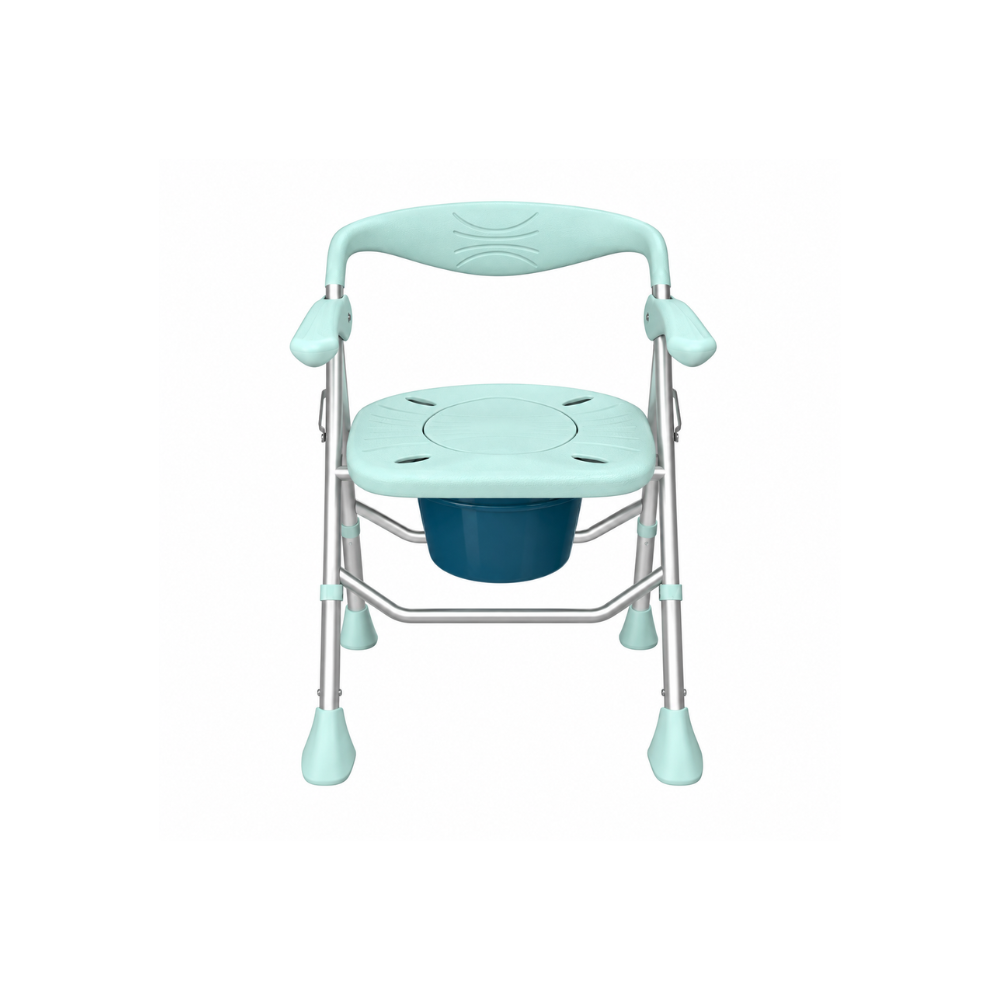
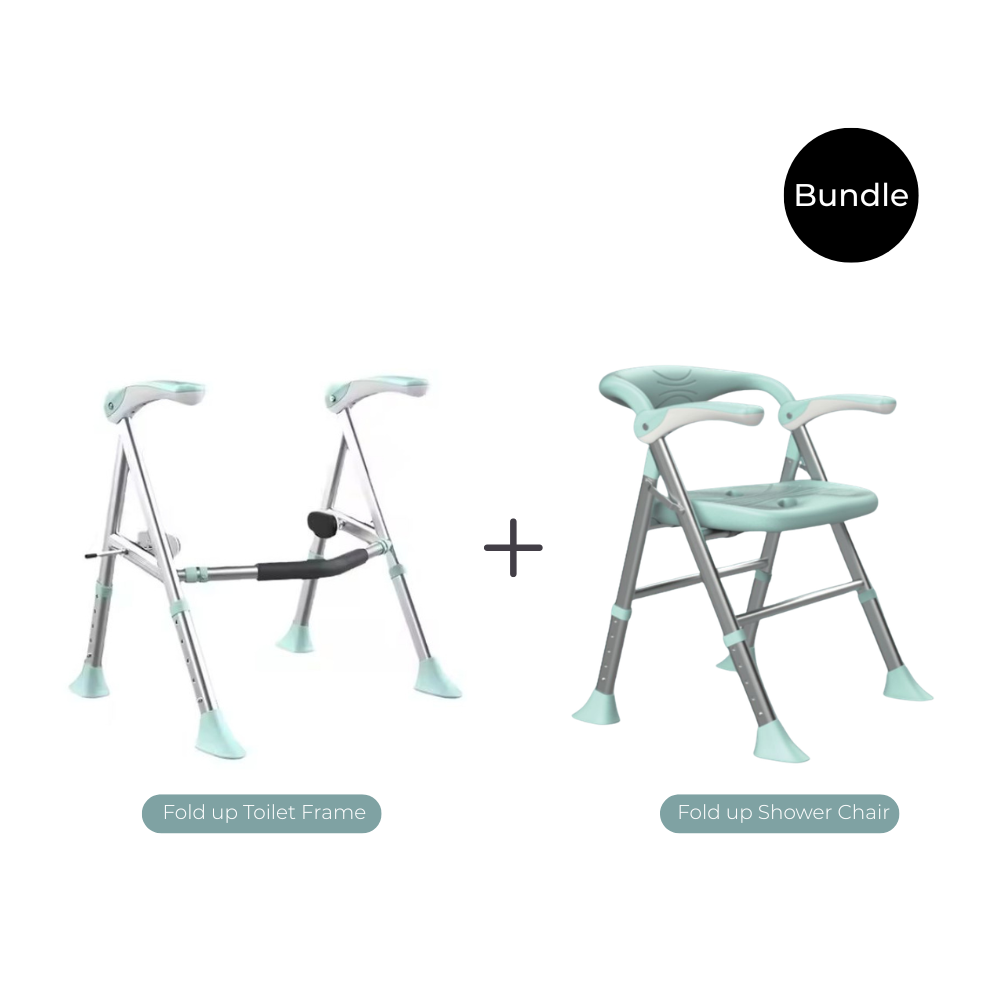
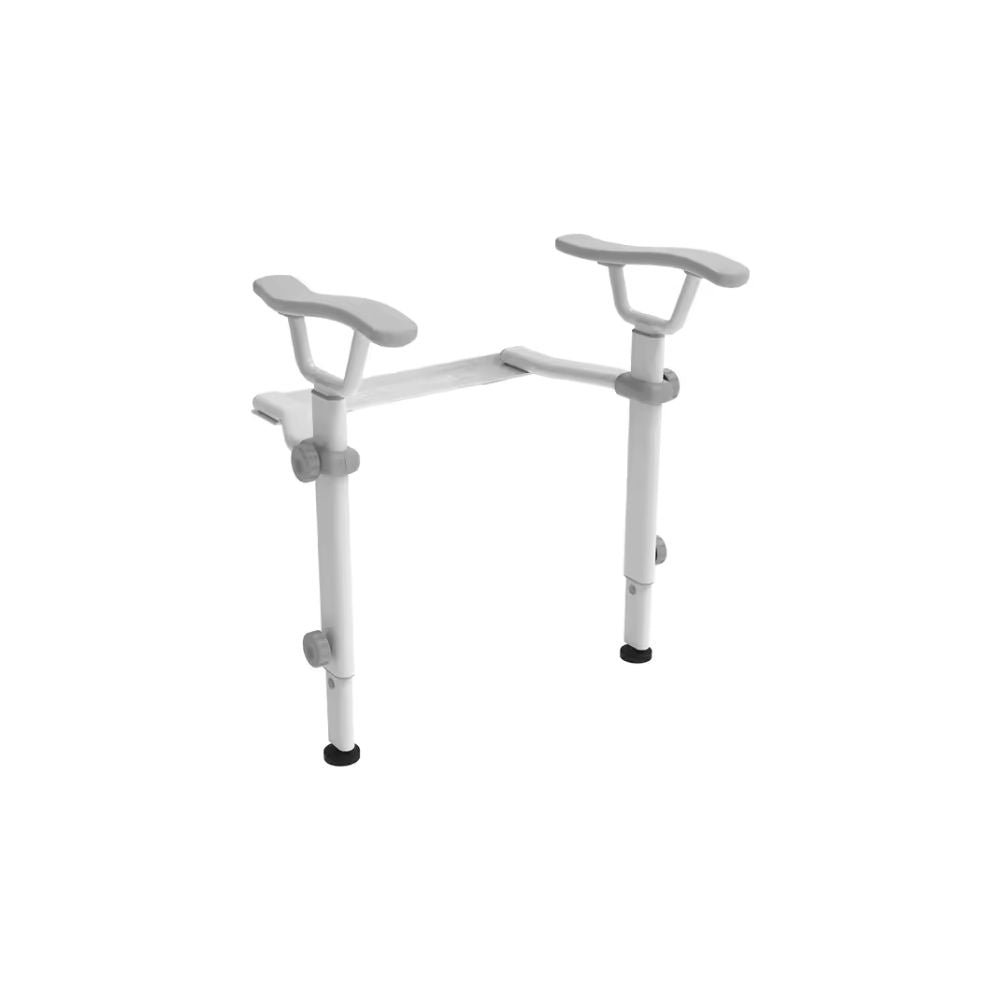
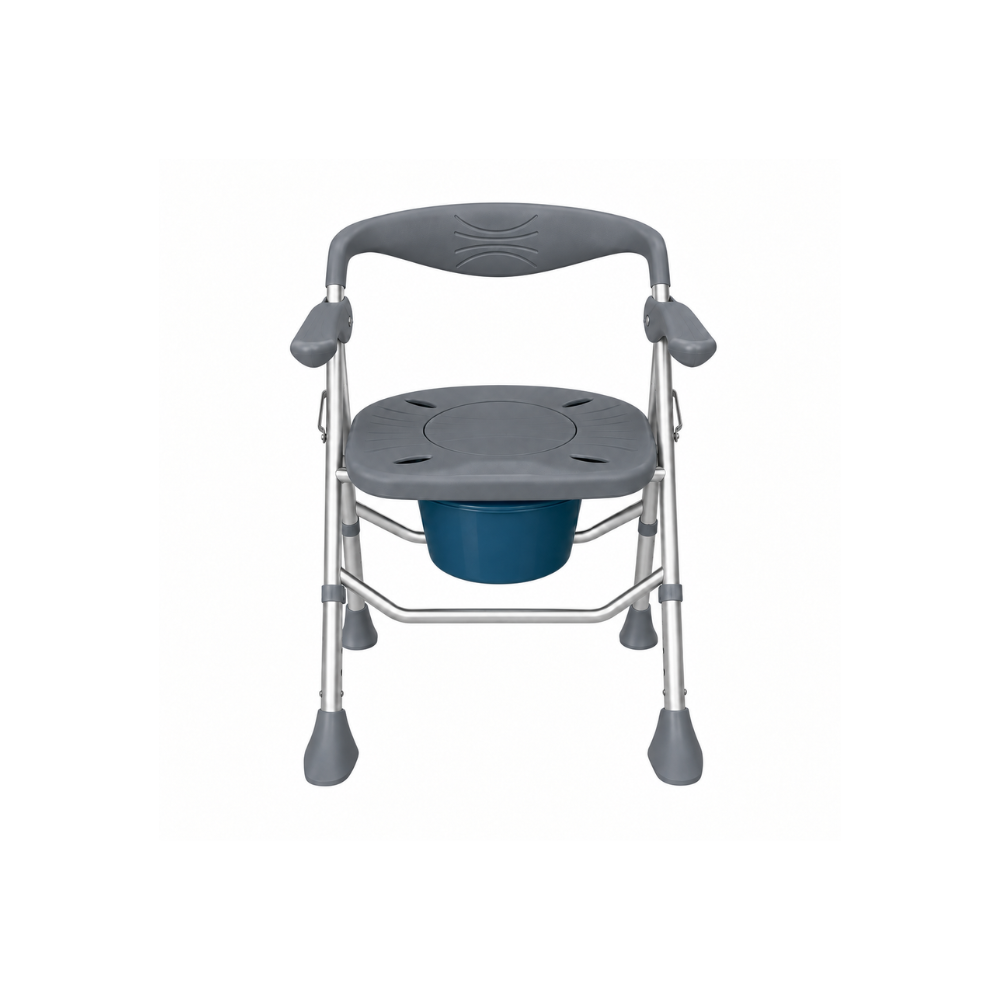
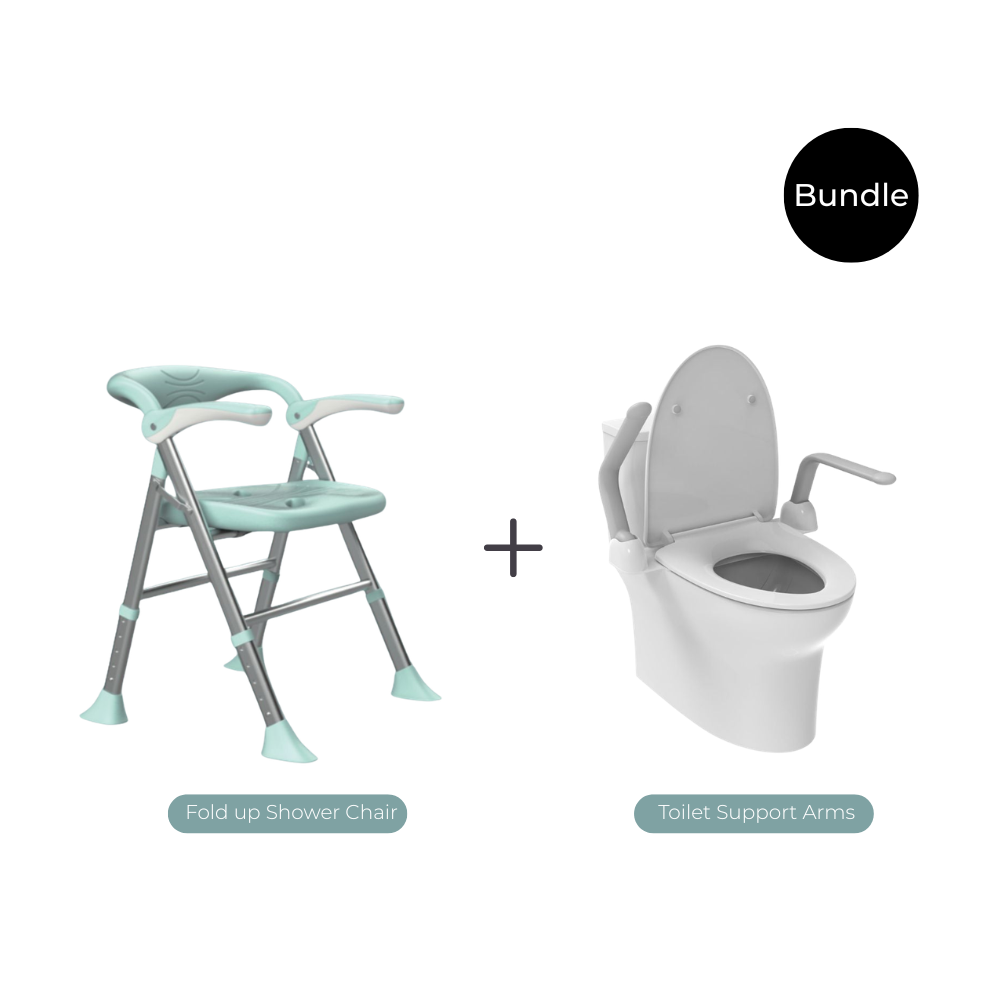
Freestanding and portable shower chairs are among the most popular options in the Avail range, because they need no installation and can move with the user. If floor space is tight, a fold-up chair that stores away, such as the Avail Fold Up Shower Chair (S03C1G), is a practical choice. Wall-mounted seats are another good option for a permanent fit. Our guides to wall-mounted versus freestanding shower seats and fold-down seats compare them side by side.
Common Buying Mistakes to Avoid
The most common buying mistakes are choosing a chair that is too low, skipping armrests for someone with weak legs, and buying a frame that is too wide for the shower recess. All three are easy to avoid with a few minutes of measuring and a clear view of how the person actually moves.
The chair is too low
A low seat looks stable, but it is harder to rise from. The user has to lift their body weight from a deeper position, which is exactly what weak legs struggle with. Check the adjustable legs and set the seat so the user can stand without a struggle.
No armrests for weak legs
This is the mistake we see most often. A stool or backrest-only chair is chosen for price or appearance, and then the user cannot get up from it. If the person pushes up from furniture at home, choose armrests. If you are unsure, choose them anyway.
The frame is too wide for the recess
A chair can look compact in a showroom and still be a tight fit in a small recess. Measure the width and depth of the shower floor, allow for the door or screen to close, and leave space for the user to step in and for a carer to stand beside them. Our guide to shower chair weight capacity covers the load side of this decision.
Forgetting the rest of the bathroom
A chair without rails or a hand shower can leave the user stranded. They sit down safely, then have to stand up to rinse or reach the soap. Plan the whole shower, not just the seat.
Skipping professional advice
For complex needs, such as significant weakness, cognitive change, recent surgery or a progressive condition, talk to an occupational therapist. An OT can assess the person and the bathroom, and recommend a combination that suits both. Occupational Therapy Australia can help you find one, and My Aged Care can explain what support or funding may be available.
Quick Selection Checklist Before You Buy
Before you buy, check the user's mobility profile, how they get up from a lounge chair, the seat height, the frame width against your recess, the rubber feet, the frame material and the grab rail and hand shower layout. If any item is unclear, ask for advice before you commit.
- Mobility profile: Is the person steady but tired, needing support to sit and stand, or reliant on a carer?
- Push-off test: Do they use their arms to rise from a lounge chair? If yes, choose armrests.
- Backrest: Do they tire, lean or feel dizzy? If yes, choose a backrest.
- Seat height: Can they sit with feet flat and rise without a struggle?
- Recess fit: Does the frame fit the recess with room for the screen and a carer?
- Feet: Does every leg have a non-slip rubber foot?
- Seat surface: Is it solid and tilted to drain, so it is easy to keep clean?
- Frame: Is it corrosion-resistant for a humid bathroom?
- Rails: Are grab rails planned for entry and for sitting and standing?
- Hand shower: Can the user reach it from the seat?
- Storage: If space is tight, would a fold-up or wall-mounted seat suit better?
- Complex needs: Have you asked an occupational therapist?
Buy for the Worst Shower of the Week, Not the Average One
Most families choose a shower chair based on a good day. They picture their parent as they are at 10am on a calm morning: alert, steady and well rested. The shower that causes the fall rarely happens then. It happens late in the day, after a poor night's sleep, on a hot evening, or the week after a cold.
My position is simple: choose the seat for the hardest shower your loved one will have, not the typical one. That is why I lean towards backrests and armrests when families are unsure. Extra support costs little. If the person is strong that day, they simply do not use it. If they are not, it is the difference between a safe shower and an emergency.
There is a second reason. A seat that feels too clinical gets abandoned. People resist the idea of a chair because it feels like a loss of independence. The way to overcome that is not to choose the smallest, least supportive option and hope. It is to choose one that makes showering feel easier and safer from the first day, so the person wants to use it. Independence is not standing on a wet floor. It is showering when you want, without worry.
That is also why I would involve the user in the decision where possible. Ask them to sit in the chair, try the armrests and say how it feels. A seat they have chosen is a seat they will use.
If you would like help matching a seat and grab rail combination to your loved one's needs, browse the Avail Designs Shower Seats, Chairs and Stools collection and the Grab Rails collection, or contact the Avail team. We are happy to talk through the user's mobility, your bathroom layout and the best option for both.


